I remember the summer my apartment’s oven broke during a heatwave. The landlord promised a replacement in two weeks. Two weeks turned into six. I was convinced my cooking life was over. No roasted chicken. No baked bread. No casseroles. No cookies. I stared at my stovetop like it was a stranger, wondering if I could survive on stir-fries and sandwiches for a month and a half.
What happened instead surprised me. I discovered a world of cooking techniques I had been ignoring. I made bread on the stovetop. I baked cakes in a pot. I created desserts that set in the refrigerator without ever seeing heat. I learned that cultures around the world have been cooking without ovens for centuries, producing some of the most beloved dishes in human cuisine. By the time my oven was repaired, I was almost reluctant to use it.
No-oven cooking is not just for emergencies. It is a legitimate, versatile approach that works in small apartments, during hot weather, while camping, in dorm rooms, and anywhere an oven is unavailable or undesirable. This article explores the techniques, tools, and recipes that make no-oven cooking not just possible but genuinely enjoyable. Whether your oven is broken, your kitchen is tiny, or you simply want to expand your cooking repertoire, this guide will show you how to create satisfying meals without ever turning a dial above 350 degrees.
Why No-Oven Cooking Deserves a Place in Your Repertoire
Before diving into techniques, it is worth understanding why no-oven cooking is more than a temporary workaround.
Energy Efficiency and Cost
Ovens are energy-intensive. They heat a large cavity to maintain a consistent temperature, often for an hour or more. Stovetop cooking, by contrast, directs heat precisely where it is needed. In summer, ovens heat your living space, forcing air conditioning to work harder. No-oven cooking can reduce both your utility bills and your environmental footprint.
Speed and Convenience
Many no-oven techniques are faster than baking. A stir-fry takes minutes. A stovetop cake can be ready in under an hour. Pressure cooking reduces braising times dramatically. For busy weeknights, no-oven methods often deliver dinner faster than waiting for an oven to preheat and cook.
Cultural Authenticity
Many of the world’s great cuisines developed without ovens. Indian flatbreads are cooked on griddles. Chinese dumplings are steamed. Mexican tortillas are pressed and griddled. Southeast Asian curries simmer on stovetops. Japanese rice is prepared in dedicated cookers. No-oven cooking connects you to culinary traditions that predate modern kitchen appliances by millennia.
I ate some of the best meals of my life in rural India, where no home I visited had an oven. Chapatis were cooked over open flames. Vegetables were sautéed in spices. Lentils were simmered until creamy. Desserts were made from reduced milk and sugar. The absence of an oven was not a limitation. It was simply not part of that cooking tradition.
Essential Tools for No-Oven Cooking
You do not need specialized equipment to cook without an oven, but a few tools expand your possibilities significantly.
The Stovetop Itself
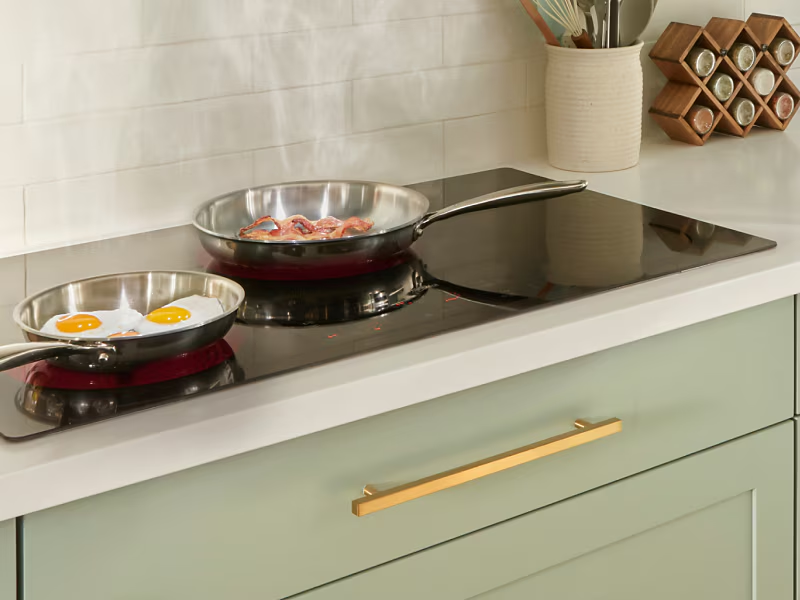
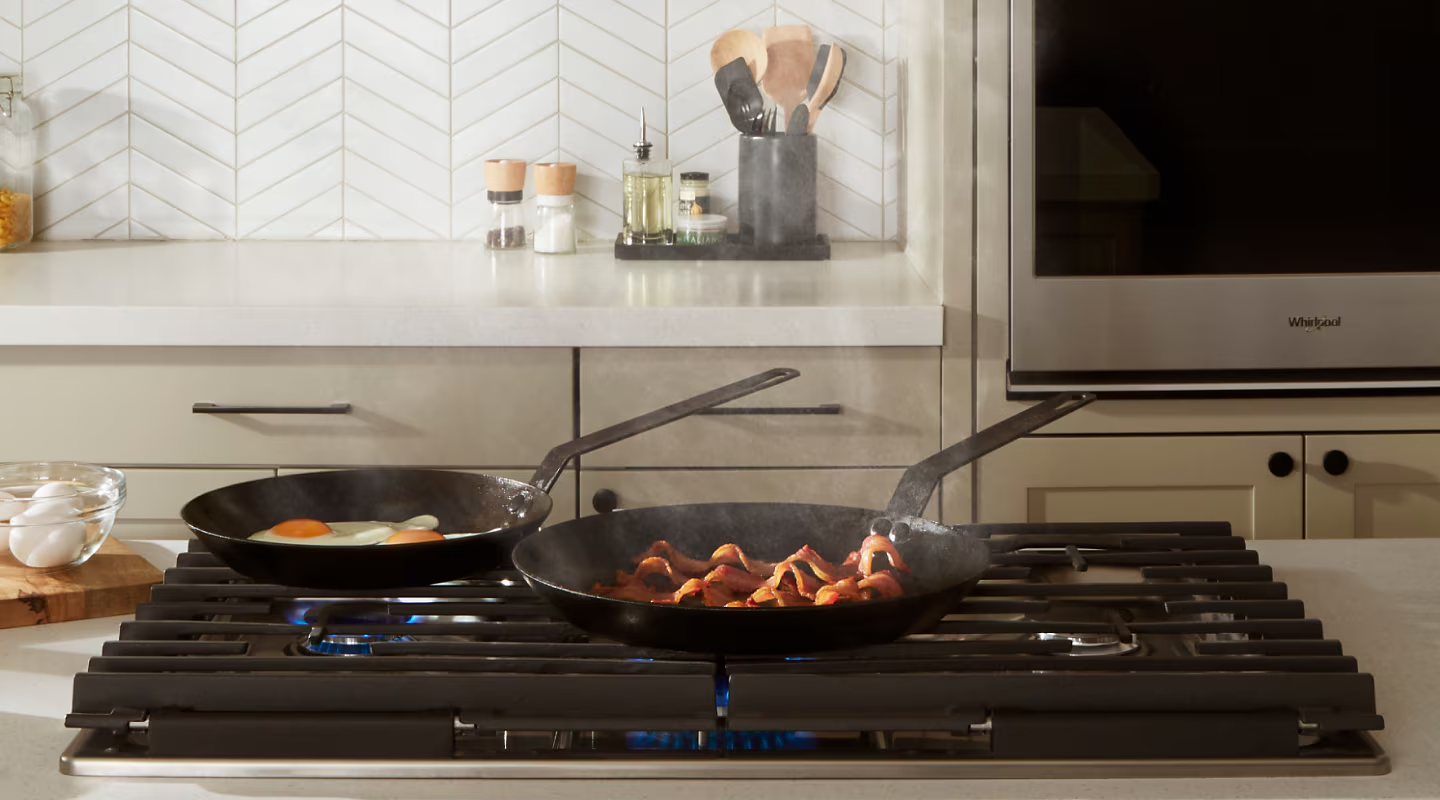
Your burners are the primary heat source. Gas provides instant temperature control and visible flame. Electric coils or induction offer consistent, even heat. Induction, in particular, is precise and efficient, though it requires compatible cookware.
Heavy-Bottomed Pots and Pans
A Dutch oven or heavy pot with a tight-fitting lid is perhaps the most versatile no-oven tool. It can sauté, simmer, braise, steam, and even bake when configured properly. A heavy bottom prevents hot spots that cause burning.
A Good Skillet
A cast iron or stainless steel skillet handles high-heat searing, shallow frying, and even baking when covered. Cast iron retains heat beautifully and can be used on stovetops, grills, and open fires.
A Steamer Setup
A collapsible steamer basket or a pot with a built-in steamer insert opens up healthy cooking options. Steaming preserves nutrients and works for vegetables, fish, dumplings, and even some breads.
A Pressure Cooker or Instant Pot
These devices dramatically speed up cooking times for beans, grains, tough cuts of meat, and stews. They are essentially self-contained stovetop ovens that use steam pressure to achieve oven-like results in a fraction of the time.
A Double Boiler
For gentle melting of chocolate, making custards, or preparing delicate sauces, a double boiler provides the indirect heat that an oven might otherwise supply.
A Wok
A wok is designed for high-heat, quick cooking. Its shape allows for even heat distribution and easy tossing. It is the ideal tool for stir-fries, fried rice, and many Asian cooking techniques.
No-Oven Cooking Techniques That Deliver Results
Here are the core techniques that make no-oven cooking versatile and effective.
Sautéing and Stir-Frying
These are the fastest no-oven techniques. High heat, a small amount of oil, and constant motion create caramelized flavors and crisp textures in minutes.
The key to successful stir-frying is preparation. Have all ingredients cut and ready before you turn on the heat. The cooking itself happens too quickly for chopping mid-process. Use high heat, cook in batches if necessary to avoid overcrowding, and keep ingredients moving.
I make a stir-fry at least once a week. It is my default for using leftover vegetables and proteins. A hot pan, some garlic and ginger, whatever vegetables need to be used, and a simple sauce of soy, vinegar, and sesame oil. Dinner in ten minutes.
Braising and Stewing
These slow, moist-heat methods transform tough, inexpensive cuts of meat into tender, flavorful dishes. A heavy pot, a small amount of liquid, low heat, and time are all you need.
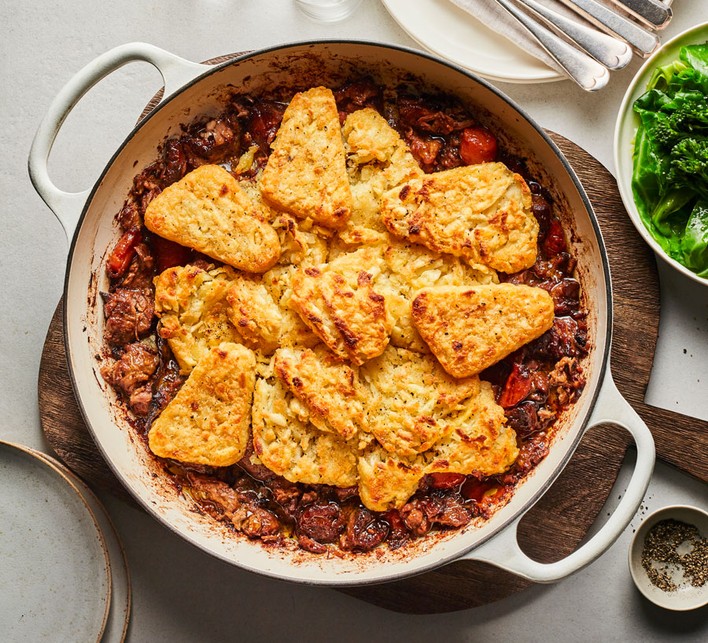
Braising works because collagen in tough meat breaks down into gelatin over long, gentle cooking. The result is succulent meat and a rich sauce. Chicken thighs, pork shoulder, beef chuck, and lamb shanks all benefit from this treatment.
The technique is simple. Sear the meat for color. Remove it. Sauté aromatics. Add liquid and return the meat. Cover and simmer until tender. The oven is often used for braising, but a stovetop simmer with a tight lid achieves the same result.
Steaming
Steaming is gentle, healthy, and surprisingly versatile. It works for vegetables, fish, dumplings, buns, and even some cakes.
The key is maintaining a steady simmer in the water below without letting it boil vigorously, which can jostle delicate foods. Ensure the steamer basket does not touch the water. Cover tightly to trap steam.
I steam fish regularly. A fillet on a plate in a steamer basket, with ginger, scallions, and soy sauce, becomes a restaurant-quality dish in under fifteen minutes. The fish stays moist and flakes perfectly.
Simmering and Boiling
These fundamental techniques cook pasta, grains, beans, soups, and stocks. The difference between a simmer and a boil matters. A boil is vigorous and can break delicate foods. A simmer is gentle and allows flavors to develop without agitation.
For beans and grains, simmering with the lid slightly ajar allows evaporation and concentration of flavor. For pasta, a rolling boil prevents sticking. For stocks, a bare simmer extracts flavor without clouding the liquid.
Griddling and Pan-Frying
A flat griddle or heavy skillet can produce results similar to baking for certain items. Flatbreads, pancakes, and even some cookies can be cooked on a griddle. Pan-frying with a small amount of oil creates crisp exteriors and cooked interiors.
Pressure Cooking
Pressure cookers use steam pressure to raise the boiling point of water, cooking food faster. Dried beans that take hours on the stovetop cook in twenty minutes. Tough meat becomes tender in under an hour. Risotto cooks without constant stirring.
The modern Instant Pot and similar devices have made pressure cooking accessible and safe. They combine pressure cooking with slow cooking, sautéing, and steaming in one appliance.
No-Oven Baking: Yes, It Is Possible
The biggest shock for oven-dependent cooks is discovering that baking can happen without an oven. Several techniques produce genuine baked goods on the stovetop or with alternative heat sources.
Stovetop Bread
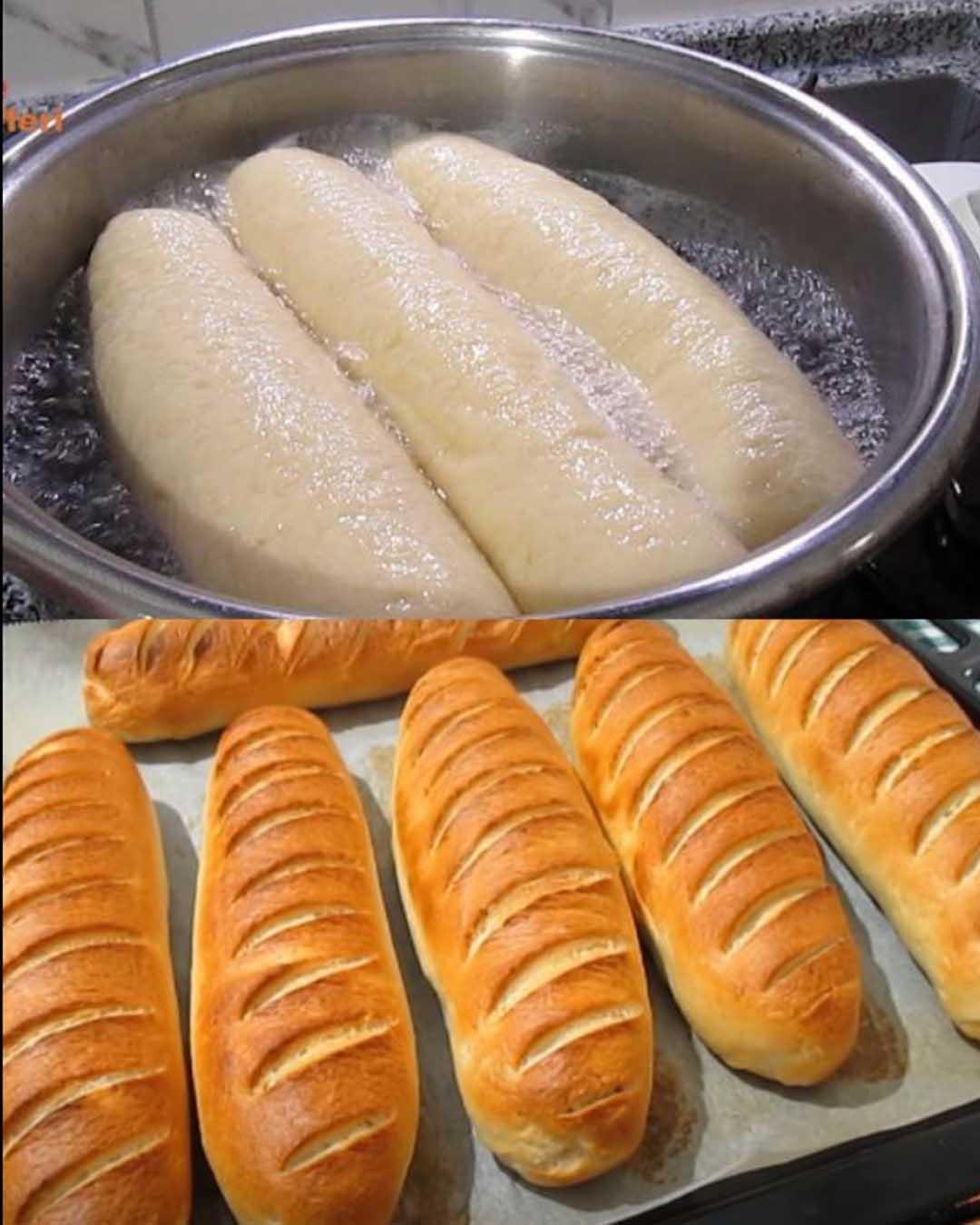
Bread can be baked in a heavy, covered pot on the stovetop. The pot traps heat and steam, creating an environment similar to a professional bread oven. The bottom browns against the hot surface, and the top cooks in the trapped steam.
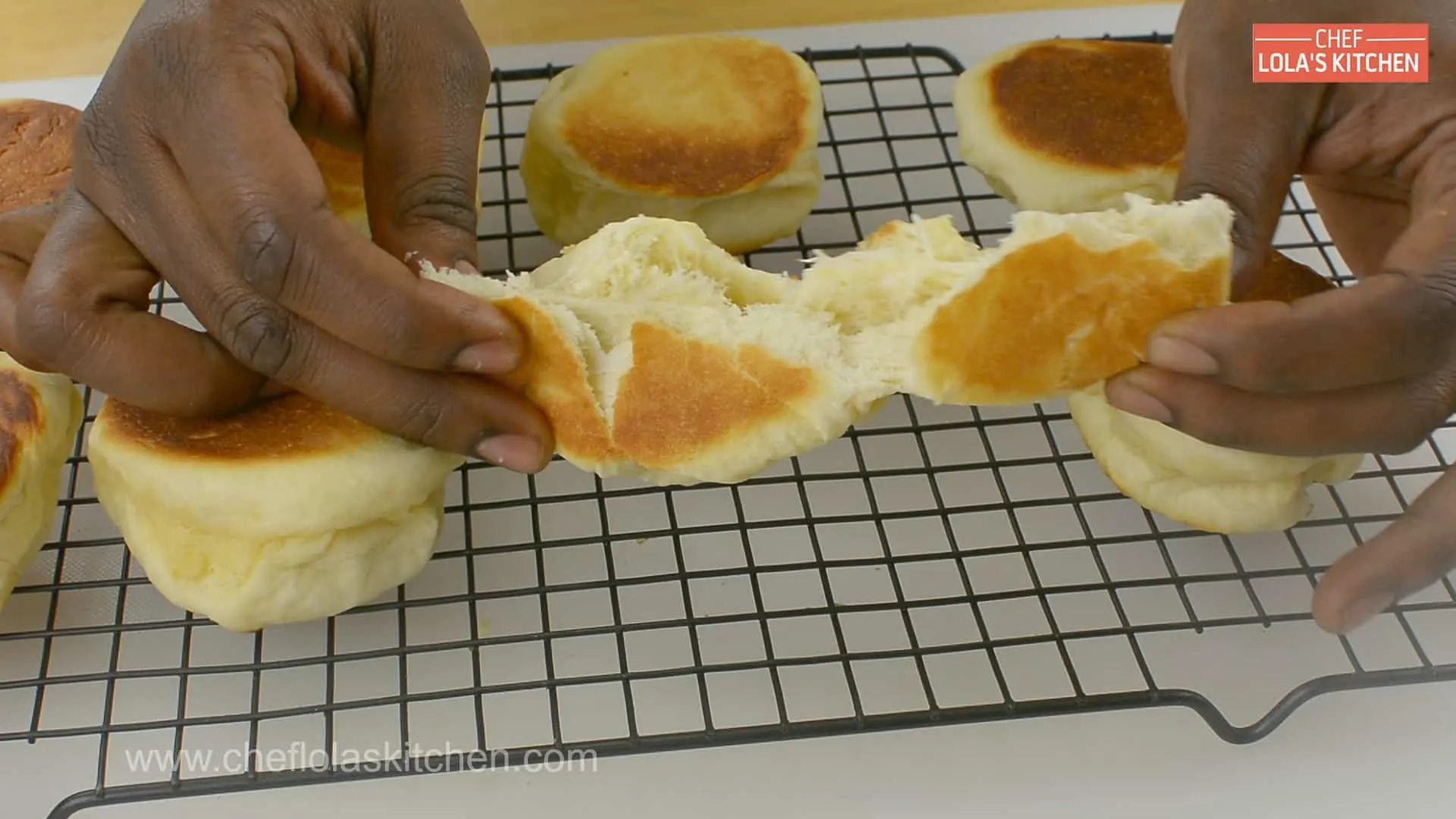
The technique requires a heavy pot, low to medium heat, and patience. The bread will not brown as deeply as oven-baked bread, but it develops a good crust and proper interior structure. Flatbreads like naan, tortillas, and pita are even easier, cooked directly on a hot griddle or skillet.
During my oven-less summer, I made stovetop flatbreads weekly. Flour, water, salt, and a hot skillet. The results were not identical to oven-baked bread, but they were fresh, warm, and deeply satisfying.
Pot Baking
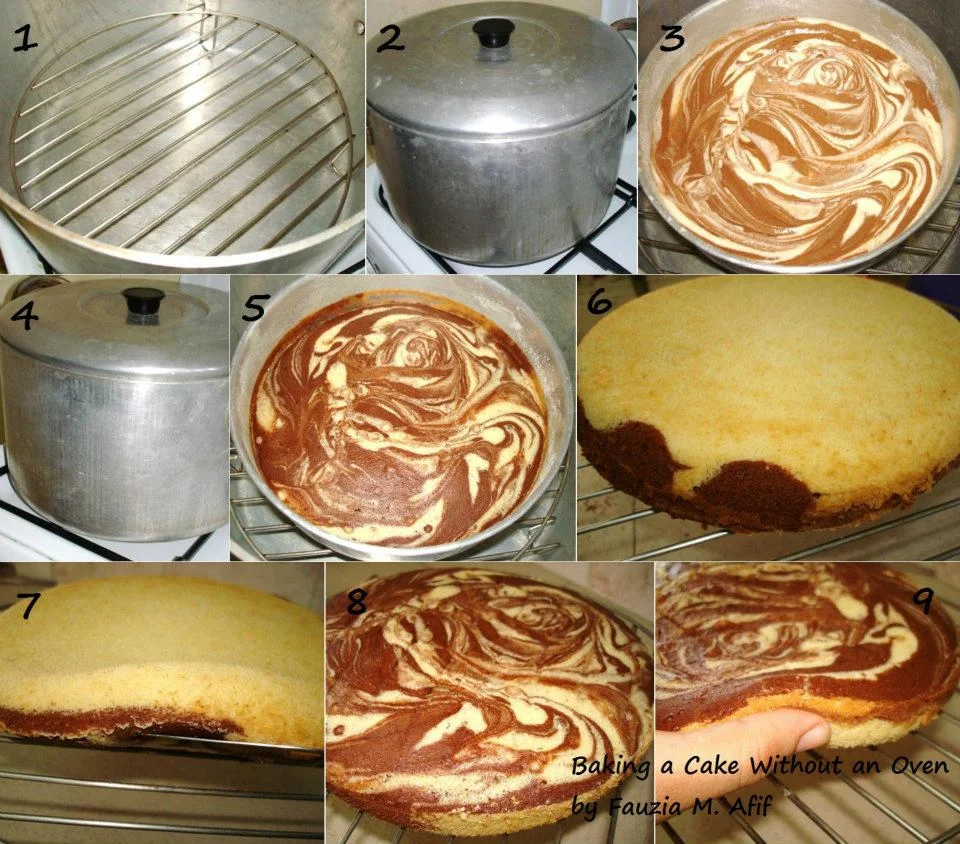
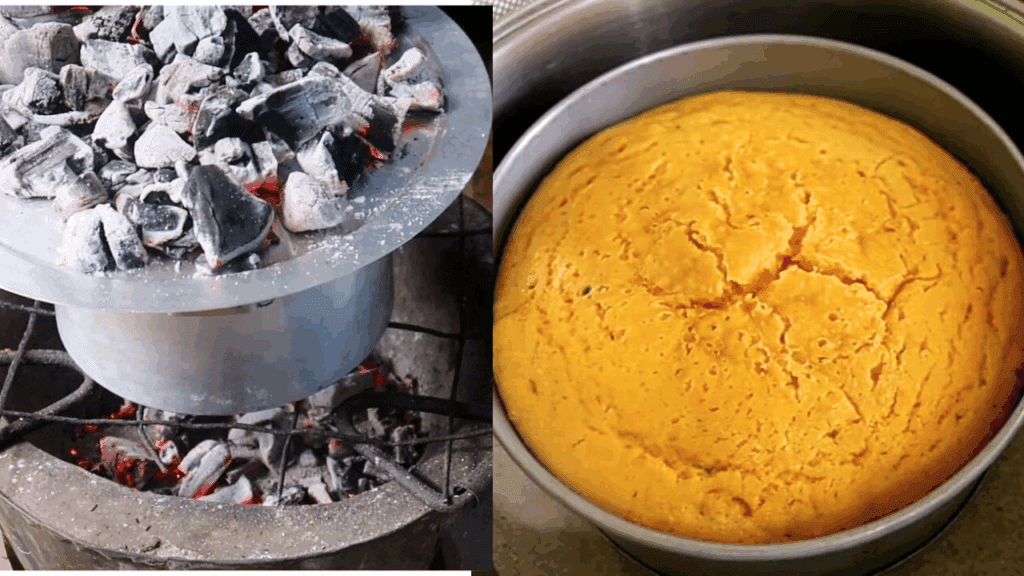
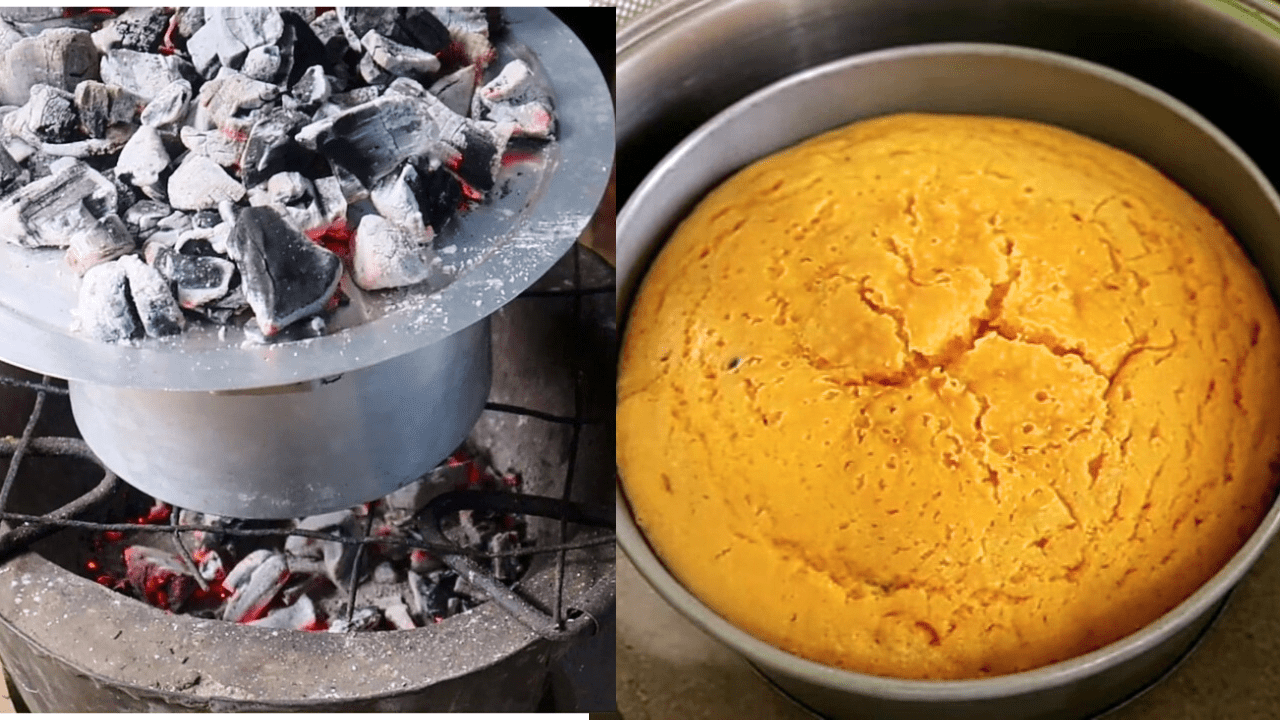
A heavy pot with a tight lid can function as a miniature oven. Place a rack or trivet inside, put your cake or bread pan on top, cover, and cook over low heat. The trapped heat circulates and bakes the item slowly.
This technique is common in cultures without traditional ovens. Indian cakes are often baked this way. The key is low, consistent heat and a tight seal. Check frequently, as stovetop baking is less predictable than oven baking.
Steam Baking
Some cakes, particularly Asian sponge cakes, are baked in steam rather than dry heat. The steam helps the cake rise tall and creates a fluffy, moist crumb. A covered steamer or a pot with a rack works perfectly.
No-Bake Desserts
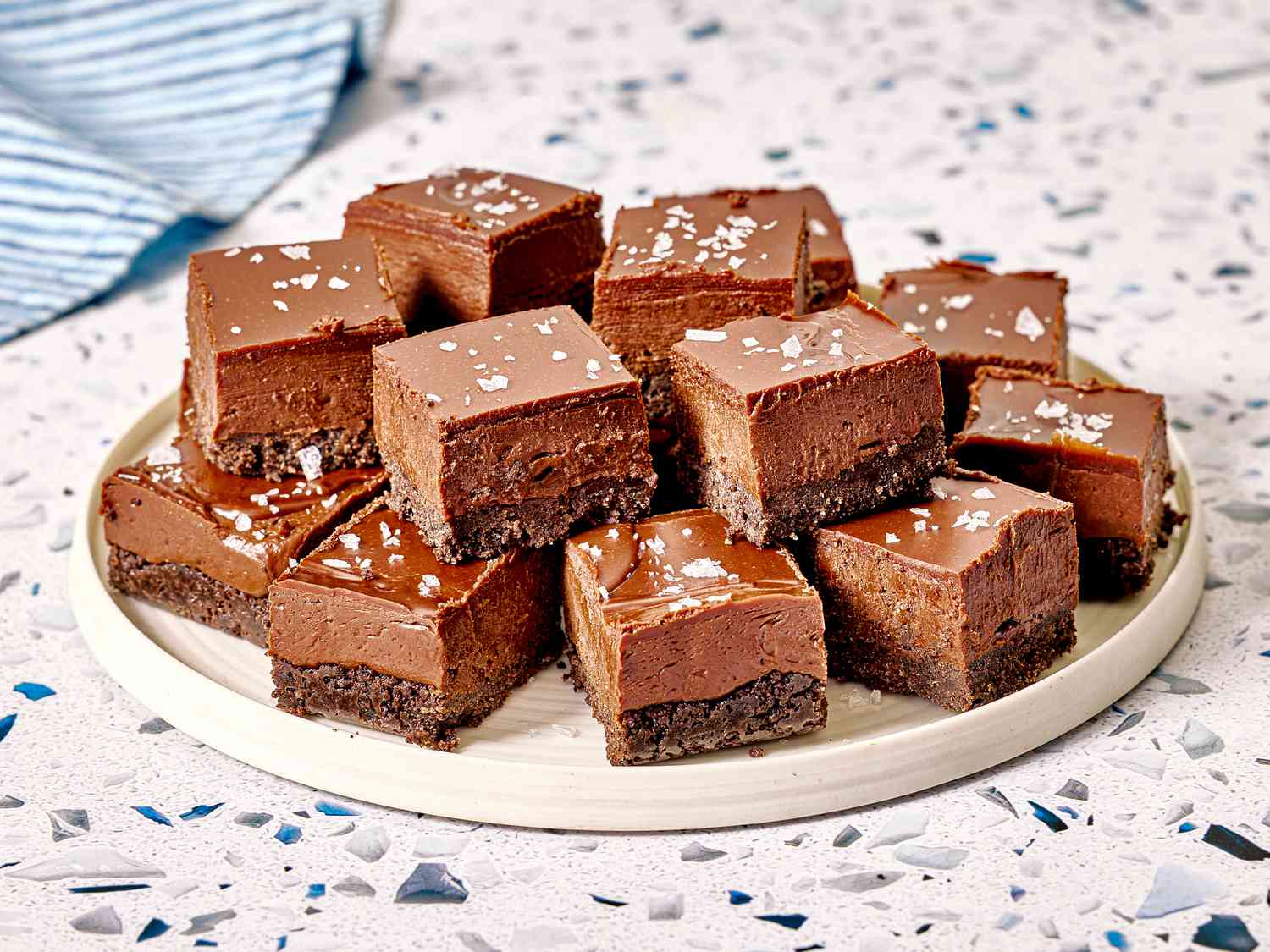
Many desserts require no heat at all. Refrigerator cheesecakes, chocolate mousse, panna cotta, and truffles set through chilling rather than baking. These are not compromises. They are legitimate dessert categories with their own textures and appeal.
I make a no-bake chocolate tart with a cookie crust and a ganache filling that guests consistently prefer to baked alternatives. The silky texture and intense flavor are impossible to achieve through baking.
No-Oven Meal Ideas by Category
Here are practical meal ideas that require no oven, organized by course.
Breakfast
-
Oatmeal or overnight oats with fruit and nuts
-
Smoothie bowls with granola
-
Scrambled or fried eggs with sautéed vegetables
-
Pancakes or crepes on a griddle
-
Congee, rice porridge, simmered with ginger and scallions
-
Avocado toast with a fried egg
Lunch
-
Stir-fried noodles with vegetables and protein
-
Grain bowls with sautéed or raw vegetables
-
Sandwiches with grilled fillings
-
Soups and stews with bread
-
Cold salads with beans, grains, and vegetables
-
Quesadillas cooked in a skillet
Dinner
-
Curries with rice or flatbread
-
Braised meats with mashed potatoes
-
Stir-fries with steamed rice
-
Pasta with stovetop sauces
-
Steamed fish with vegetables
-
Tacos with griddled tortillas and sautéed fillings
Desserts
-
No-bake cheesecake or chocolate mousse
-
Stovetop rice pudding
-
Poached pears in wine
-
Chocolate truffles
-
Fruit sorbet made in a blender and frozen
-
Panna cotta with berry compote
Common Mistakes in No-Oven Cooking
Transitioning from oven-dependent cooking requires adjusting expectations and techniques.
Expecting Identical Results
Stovetop bread will not have the same crust as oven bread. Steamed cake will be moister than baked cake. Accept these differences as variations rather than deficiencies. Each method produces its own unique qualities.
Using Too Much Heat
Stovetop cooking is direct and intense. What works in an oven at moderate heat may burn on a stovetop. Use lower heat than you think necessary, especially for baking in pots. Patience prevents scorching.
Crowding the Pan
Overcrowding drops the temperature and causes steaming instead of browning. Cook in batches if necessary. Give ingredients space to make contact with the hot surface.
Neglecting the Lid
For techniques that trap heat, like pot baking or braising, a tight lid is essential. Heat escapes quickly without it, and cooking times become unpredictable. Invest in pots with well-fitting lids.
Forgetting About Rest Time
Meat cooked on the stovetop benefits from resting just as much as oven-roasted meat. Resting allows juices to redistribute. Slice too early and the juices run out, leaving dry meat.
Practical Tips for No-Oven Success
Here are habits that make no-oven cooking reliable and enjoyable.
Master your heat source. Every stovetop behaves differently. Learn the settings that produce a simmer, a boil, and a sear on your specific equipment. Mark them with tape if necessary.
Invest in a thermometer. A probe thermometer removes guesswork from meat doneness. An infrared thermometer helps you know when a pan or griddle is properly preheated.
Embrace one-pot meals. The no-oven kitchen shines when everything cooks in a single vessel. Curries, stews, stir-fries, and pilafs minimize cleanup and maximize flavor integration.
Use your freezer. No-oven cooking often produces food that freezes well. Make large batches of soup, curry, or stew and freeze portions for future no-oven meals.
Get comfortable with improvisation. Without the precise temperature control of an oven, stovetop cooking requires more attention and adjustment. Taste frequently. Adjust heat. Add liquid if things are drying. Trust your senses.
Learn from cultures that never relied on ovens. Indian, Chinese, Southeast Asian, and Mexican cuisines offer centuries of no-oven wisdom. Their techniques and recipes are not adaptations. They are fully developed culinary traditions.
Frequently Asked Questions
Can you really bake without an oven?
Yes, though the results differ from oven baking. Heavy pots with tight lids can trap enough heat to bake bread and cakes. Griddles can cook flatbreads and pancakes. Steam can bake certain cakes. No-bake desserts require no heat at all. Each method produces legitimate, delicious results.
What is the best substitute for roasting?
Pan-searing followed by simmering in a covered pot approximates roasting for many meats. For vegetables, high-heat sautéing or stir-frying creates caramelization similar to roasting. A grill or open fire is another option if available.
How do I cook a whole chicken without an oven?
Spatchcock the chicken, flatten it by removing the backbone, and cook it skin-side down in a heavy skillet. Weight it with another pan to ensure contact with the hot surface. Flip and finish with a lid. Alternatively, cut it into pieces and braise or stew.
Are no-bake desserts safe to eat?
Most no-bake desserts use ingredients that do not require cooking for safety, such as cream, chocolate, and gelatin. Some, like cheesecake, may contain raw eggs. Use pasteurized eggs or egg-free recipes if this is a concern. Refrigerator-set desserts are generally safe when properly chilled.
Can I make pizza without an oven?
Yes. A stovetop pizza can be made in a covered skillet. Cook the base until crisp, add toppings, cover, and cook until the cheese melts. The crust will be different from oven-baked pizza, more like a flatbread, but still delicious.
What is the easiest no-oven meal for beginners?
A stir-fry is the most accessible entry point. Cut vegetables and protein, heat oil in a pan, cook quickly with constant motion, and add a simple sauce. It is fast, forgiving, and requires no special equipment.
Final Thoughts
My six weeks without an oven taught me that I had been over-relying on a single appliance. The oven is wonderful, but it is not essential. Human beings cooked for millennia without it, developing techniques and dishes that remain beloved today. No-oven cooking is not a downgrade. It is a different way of working with heat, one that emphasizes directness, speed, and adaptability.
Since that summer, I have continued to cook many meals without my oven, even though it works perfectly now. I make flatbreads on the stovetop when I want bread quickly. I steam fish when I want something light. I braise on the stovetop when I want the aroma to fill the kitchen. These techniques have become part of my permanent repertoire, not because I have to use them, but because I enjoy the results.
If you find yourself without an oven, whether temporarily or by choice, do not despair. Embrace the challenge. Learn the techniques. Explore the cuisines that have mastered this approach. You may discover, as I did, that some of your best cooking happens when the oven stays off.