I remember standing in the produce section of my local grocery store, staring at a display of herbs I had never used. The labels read tarragon, marjoram, and chervil. I knew they were herbs. I knew they were used in cooking. But I had no idea what they tasted like, which dishes they belonged in, or whether they were worth the price premium over my usual parsley and basil. I walked away empty-handed, frustrated by my own ignorance, and resolved to understand ingredients more deeply.
That moment marked a turning point in my cooking. I realized that recipes are merely instructions for combining ingredients. The real skill of cooking lies in understanding the ingredients themselves, their flavors, textures, nutritional profiles, and how they transform under heat. A cook who understands ingredients can improvise, substitute, and create. A cook who merely follows recipes is dependent on others.
This article provides a comprehensive guide to cooking ingredients, the building blocks of every meal. We will explore the major categories of ingredients, how to select quality items, how to store them for maximum freshness, and how to use them to build flavor and nutrition. Whether you are a beginner building your first pantry or an experienced cook looking to deepen your knowledge, this guide will help you cook with greater confidence and creativity.
Why Understanding Ingredients Transforms Your Cooking
Before diving into specific categories, it is worth understanding why ingredient knowledge matters so much. I have watched experienced home cooks struggle with recipes while beginners with strong ingredient intuition succeed effortlessly. The difference is not technique. It is understanding.
Ingredients Are the Vocabulary of Cooking
A recipe is like a sentence. Ingredients are the words. If you know only a few words, your sentences are limited and repetitive. If you know many words, you can express complex ideas with nuance and precision. Similarly, a cook who knows only a handful of ingredients produces a narrow repertoire. A cook with broad ingredient knowledge can create endlessly varied meals.
I once cooked alongside a friend who had traveled extensively. Her pantry contained spices and condiments I had never heard of. When we improvised a dinner from what was available, she combined ingredients I would never have thought to pair, creating a dish that was both unfamiliar and delicious. Her ingredient knowledge was the source of her creativity.
Quality Ingredients Reduce the Need for Complex Technique
The best ingredients often need minimal preparation. A perfectly ripe tomato with olive oil and salt is better than a mediocre tomato in an elaborate sauce. Fresh herbs elevate simple dishes without requiring advanced technique. High-quality protein needs little more than proper seasoning and heat to become memorable.
Understanding which ingredients deserve investment and which can be economical is a key cooking skill. Not every ingredient needs to be premium. But knowing where quality matters most helps you allocate your budget and effort effectively.
Ingredient Knowledge Enables Substitution and Improvisation
Recipes assume you have specific ingredients. Real kitchens do not always cooperate. The ability to substitute intelligently, to know which ingredients play similar roles, transforms rigid recipe-following into flexible cooking.
When you understand that buttermilk, yogurt, and sour cream all provide acidity and moisture in baking, you can substitute based on what you have. When you know that thyme, oregano, and marjoram share an earthy, woody quality, you can swap them in savory dishes. This knowledge reduces waste, saves money, and builds confidence.
Building Your Pantry: The Essential Ingredients Every Cook Needs
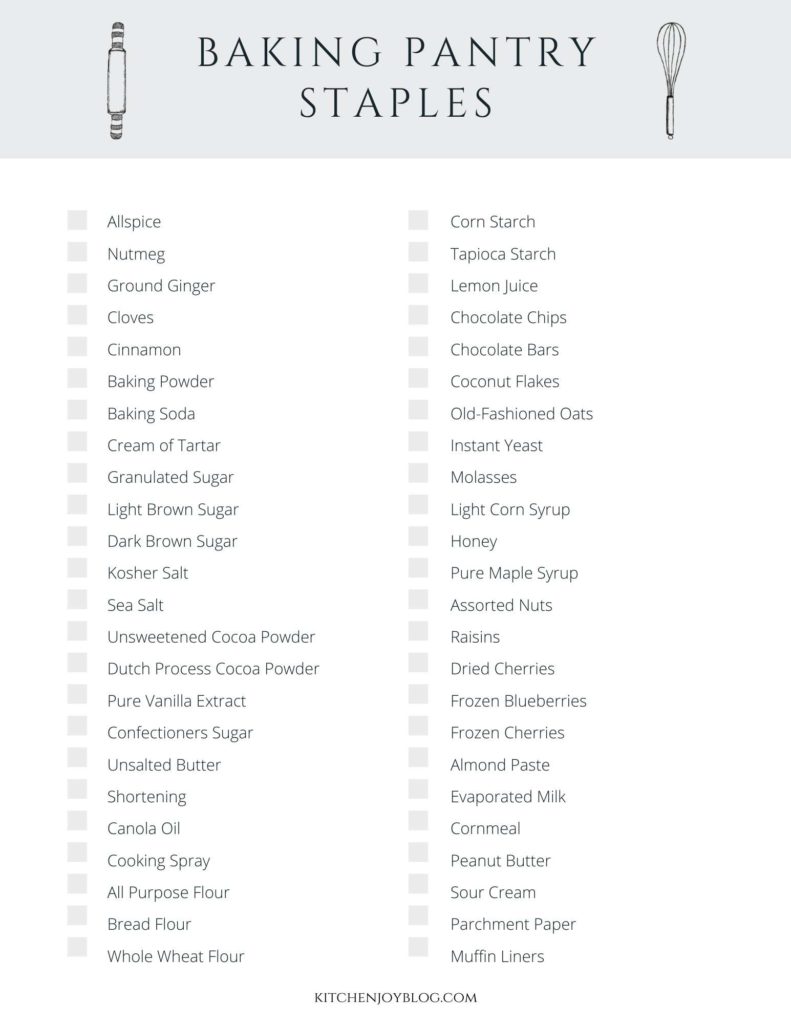
A well-stocked pantry is the foundation of spontaneous, satisfying cooking. Here are the categories and specific items that deserve permanent residence in your kitchen.
Dry Goods and Staples
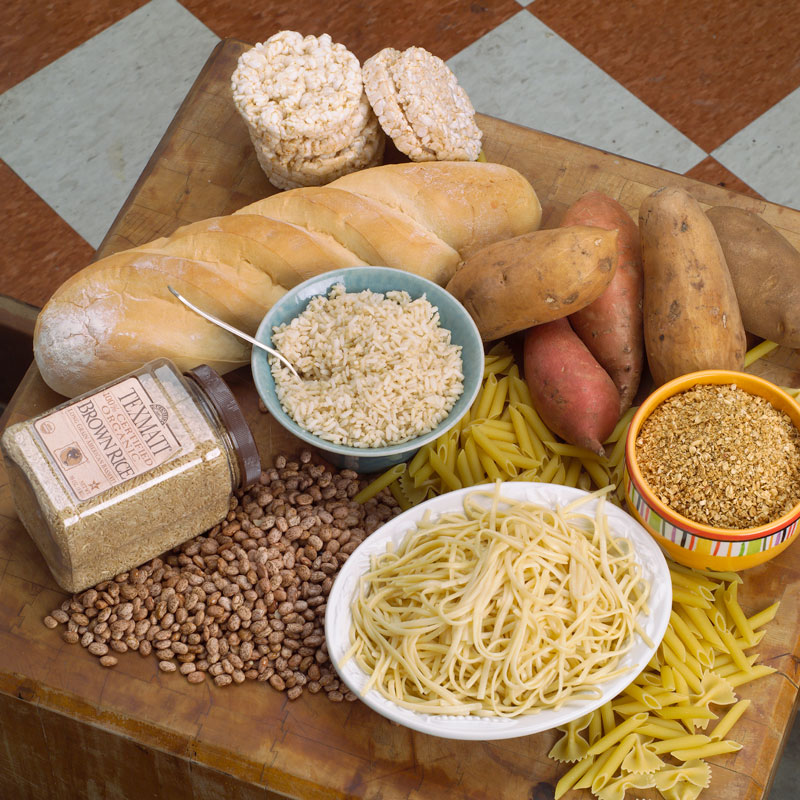
These are the workhorses of home cooking. They have long shelf lives, provide bulk and satisfaction, and serve as the base for countless meals.
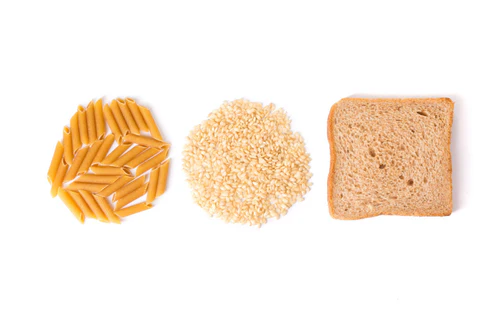
Rice and Grains: Keep at least two varieties. A long-grain rice like basmati or jasmine for pilafs and stir-fries. A short-grain rice like arborio for risotto. Consider adding quinoa, farro, or barley for variety and nutrition.
Pasta: A few shapes serve different purposes. Long pasta like spaghetti for simple sauces. Short pasta like penne for baked dishes and chunky sauces. A small shape like orzo for soups and salads.
Dried Legumes: Lentils, chickpeas, and black beans are inexpensive protein sources that keep indefinitely. They form the base of soups, stews, salads, and spreads.
Flours: All-purpose flour for general baking. Whole wheat flour for added nutrition in bread and pancakes. Specialty flours like almond or coconut if you bake gluten-free.
Oats: Old-fashioned rolled oats for breakfast and baking. Steel-cut oats for a chewier, more filling porridge.
Oils and Fats
Fat carries flavor and creates texture. Different fats serve different purposes.
Olive Oil: Extra virgin for finishing, dressings, and low-heat cooking. Regular olive oil for higher-heat sautéing. The flavor difference between quality olive oil and cheap alternatives is dramatic.
Neutral Oil: Canola, grapeseed, or avocado oil for high-heat cooking and baking where you do not want added flavor.
Butter: Unsalted butter for baking and cooking where you control the salt. Salted butter for spreading. Butter provides richness and browning that oil cannot replicate.
Coconut Oil: Useful for certain baking applications and high-heat cooking, especially if you enjoy its subtle flavor.
Vinegars and Acids
Acid brightens flavor, balances richness, and tenderizes proteins. A small collection of acids dramatically expands your cooking possibilities.
White Vinegar: For pickling and cleaning.
Apple Cider Vinegar: A versatile all-purpose acid for dressings, marinades, and sauces.
Red Wine Vinegar: For robust vinaigrettes and Mediterranean dishes.
Balsamic Vinegar: For finishing, drizzling, and sweet-savory applications.
Rice Vinegar: For Asian cooking and delicate dressings.
Citrus: Fresh lemons and limes are essential. Their juice and zest add brightness that bottled products cannot match.
Seasonings and Spices
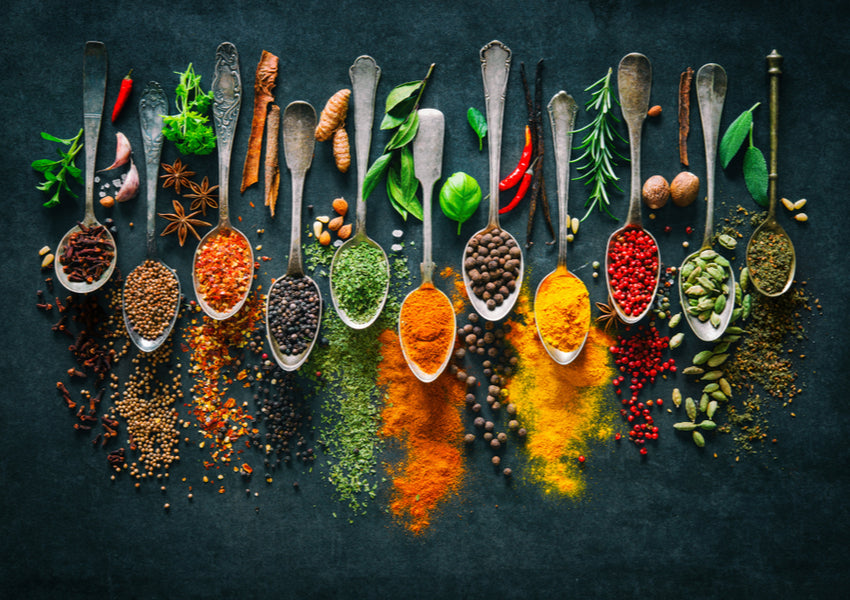
This is where personal taste and cultural tradition play the largest role. Start with a core collection and expand based on your cooking interests.
Salt: Kosher salt for general cooking. Sea salt for finishing. Flaky salt for texture on completed dishes.
Black Pepper: Whole peppercorns ground fresh provide far more flavor than pre-ground pepper.
Garlic and Onion Powder: Useful when fresh versions are unavailable or when you want a more subtle allium flavor.
Cumin: Earthy and warm, essential for Mexican, Indian, and Middle Eastern cooking.
Paprika: Smoked paprika for depth and barbecue flavor. Sweet paprika for color and mild pepper flavor.
Chili Powder or Flakes: For heat. Adjust type and amount based on your tolerance.
Cinnamon: Not just for baking. Adds warmth to savory dishes in Middle Eastern and North African cuisines.
Dried Herbs: Oregano, thyme, and bay leaves are versatile starting points.
Fresh Ingredients: Selecting and Storing for Maximum Quality
Fresh ingredients are where meals come alive. But they are also perishable and expensive if wasted. Knowing how to choose and store them is essential.
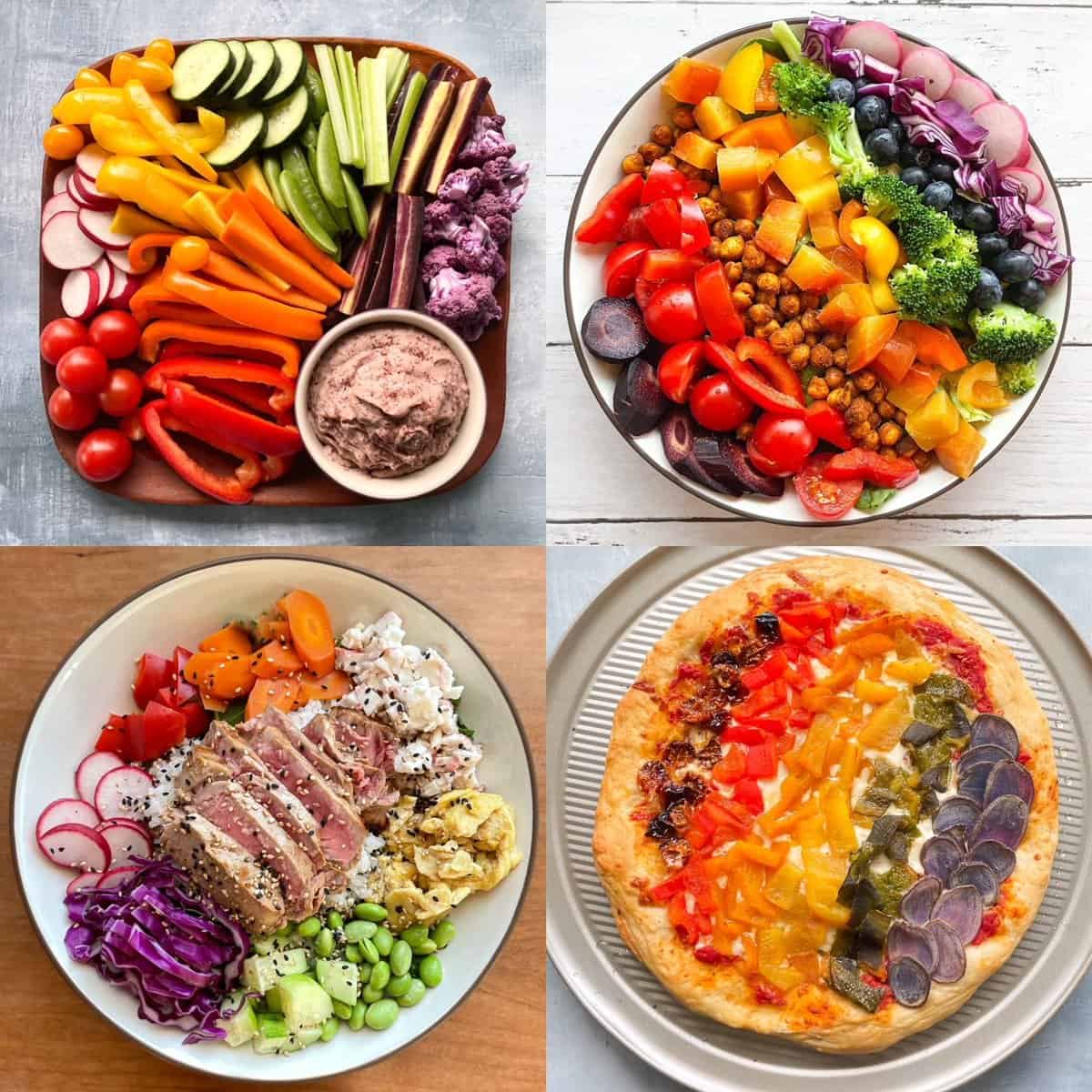
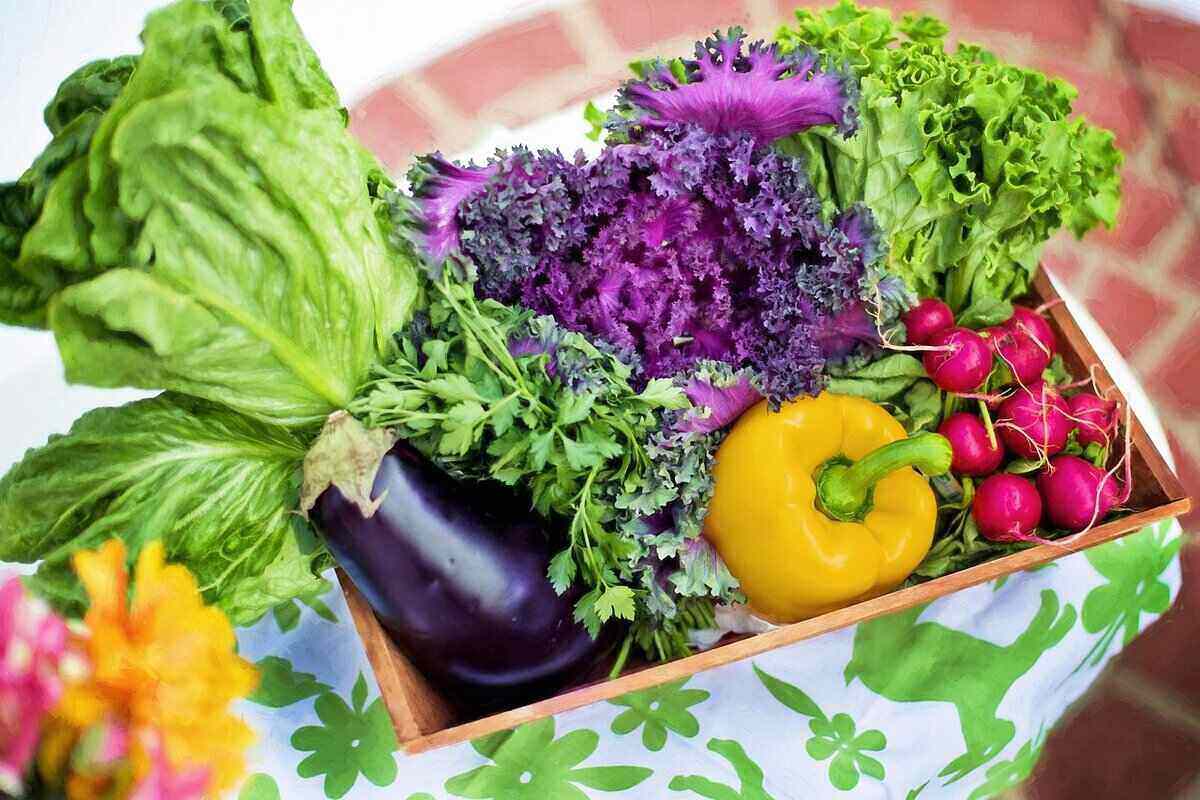
Vegetables
Selecting: Choose vegetables that feel heavy for their size, indicating good moisture content. Avoid bruises, soft spots, and signs of decay. Leafy greens should be crisp and vibrant, not wilted or yellowing.
Storing: Most vegetables prefer cool, humid environments. Store root vegetables in a dark, cool place. Keep leafy greens in the crisper drawer wrapped in a damp towel. Tomatoes should not be refrigerated unless fully ripe and cut. Onions and potatoes should be stored separately, as onions release gases that cause potatoes to sprout.
Using: Use more perishable vegetables first. Leafy greens and herbs within days. Root vegetables and squash within weeks. Plan meals around what needs to be used rather than starting with a recipe and buying everything fresh.
I learned this lesson after throwing away too many slimy herbs and wilted greens. Now I process herbs immediately, washing, drying, and storing them in a jar with water like flowers, or freezing them in oil if I cannot use them quickly. This small habit change dramatically reduced my waste.
Fruits
Selecting: Like vegetables, fruits should feel heavy and smell fragrant. Avoid bruises and soft spots unless you plan to use them immediately for cooking.
Storing: Most fruits should be stored at room temperature until ripe, then refrigerated to slow further ripening. Bananas, apples, and citrus can be stored at room temperature for extended periods. Berries are highly perishable and should be refrigerated immediately, unwashed, until ready to use.
Ripening: Some fruits continue to ripen after picking. Avocados, peaches, and pears can be ripened at room temperature and then refrigerated. Citrus and berries do not ripen further after harvest.
Proteins
Meat: Look for bright color, firm texture, and minimal liquid in the package. Avoid graying meat or strong odors. Use within a few days of purchase or freeze immediately.
Poultry: Skin should be intact and pale. Flesh should be firm and spring back when pressed. Use quickly or freeze.
Fish: Eyes should be clear, not cloudy. Flesh should be firm and smell like the ocean, not fishy. Use the day of purchase or freeze.
Eggs: Check the date. A fresh egg sinks in water. Store in the refrigerator, not the door, where temperature fluctuates.
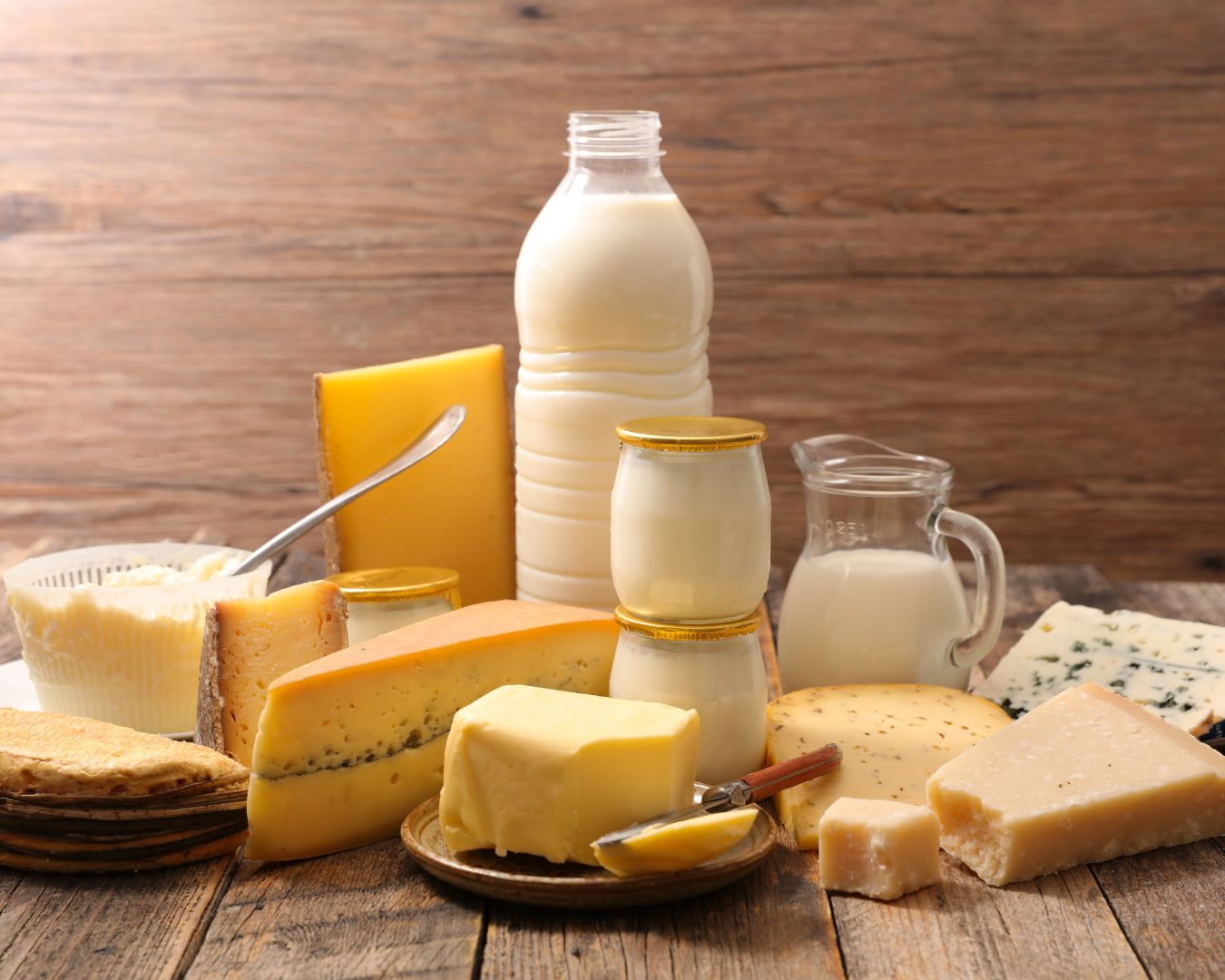
Dairy: Milk, yogurt, and cheese should smell fresh and have no mold or discoloration. Hard cheeses last longer than soft. Butter can be frozen for extended storage.
Herbs and Spices: The Flavor Amplifiers
Herbs and spices transform basic ingredients into memorable dishes. Understanding their characteristics helps you use them confidently.
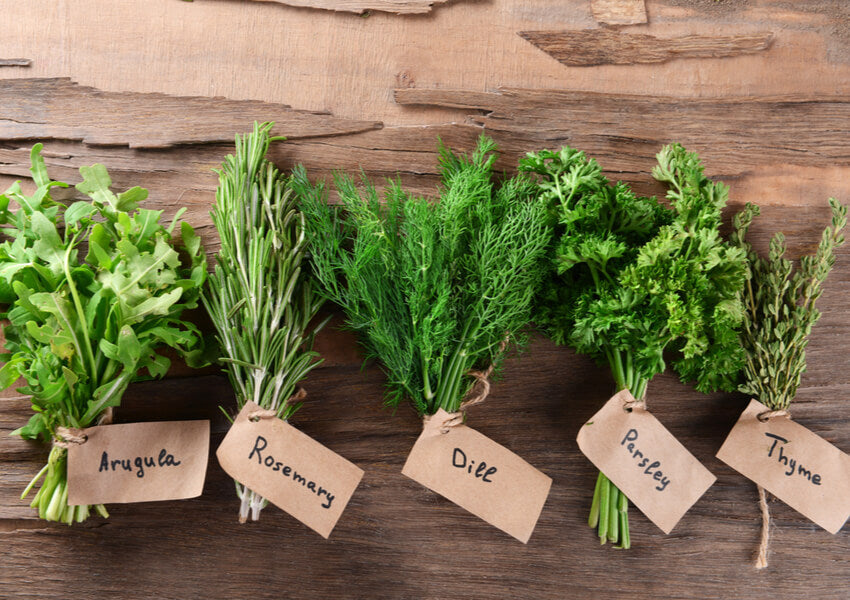
Fresh Herbs
Fresh herbs fall into two categories: hardy and tender.
Hardy Herbs: Rosemary, thyme, sage, and oregano can withstand heat and long cooking times. Add them early in the cooking process to release their flavors.
Tender Herbs: Basil, cilantro, parsley, dill, and mint are delicate and lose flavor when overheated. Add them at the end of cooking or use as garnish.
Storing Fresh Herbs: Wrap tender herbs in a damp paper towel and store in a bag in the crisper. Store hardy herbs like flowers in a jar of water on the counter. Most fresh herbs can also be frozen in oil or water for longer storage.
I keep a small herb garden on my windowsill. The convenience of snipping fresh herbs as needed has transformed my cooking more than any gadget or technique. Even a single pot of basil or parsley makes a difference.
Dried Spices
Dried spices lose potency over time. Ground spices should be replaced annually. Whole spices, like peppercorns, cumin seeds, and cinnamon sticks, last longer and provide superior flavor when freshly ground.
Toasting Spices: Briefly toasting whole spices in a dry pan before grinding or adding to dishes dramatically enhances their flavor. The heat releases essential oils and deepens complexity.
Bloom Spices: Adding spices to hot oil before adding other ingredients allows their fat-soluble flavors to fully develop. This technique is fundamental to Indian, Mexican, and Middle Eastern cooking.
Understanding Ingredient Categories and Their Roles
Effective cooking requires understanding what each ingredient contributes to a dish. Here is how the major categories function.
Proteins: Structure and Satisfaction
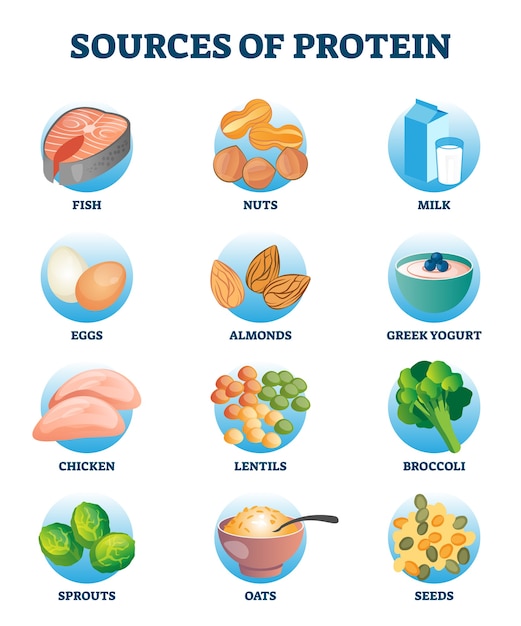
Proteins provide the centerpiece of most meals and the feeling of fullness. They include meat, poultry, fish, eggs, dairy, legumes, and nuts.
Each protein has specific cooking requirements. Lean proteins like chicken breast dry out quickly and benefit from brining or careful temperature control. Fatty proteins like pork shoulder can withstand long cooking and become tender through collagen breakdown. Fish cooks quickly and is often best with minimal handling.
Plant proteins like beans and lentils require different treatment. Dried beans need soaking and long cooking. Lentils cook quickly without soaking. Tofu benefits from pressing to remove moisture and often needs bold seasoning.
Carbohydrates: Energy and Comfort
Grains, starches, and sugars provide energy and textural satisfaction. They range from complex carbohydrates like whole grains and vegetables to simple sugars in fruits and desserts.
Understanding starch behavior is key to cooking. Starches thicken sauces when heated in liquid. They create structure in baked goods. They provide creamy texture in risotto when stirred to release starch. Each application requires different starch types and cooking methods.
Fats: Flavor Carrier and Texture Creator
Fats do more than add calories. They carry flavor compounds that are soluble only in fat. They create crisp textures through frying. They provide richness and mouthfeel in sauces and baked goods.
Different fats have different properties. Butter browns and adds nutty flavor. Olive oil provides fruity notes and monounsaturated fats. Coconut oil is solid at room temperature and adds distinct flavor. Animal fats like lard and schmaltz provide unmatched flavor in certain applications.
Acids: Brightness and Balance
Acids cut through richness, brighten flavors, and tenderize proteins. They are essential for balance in nearly every cuisine.
Lemon juice is the most versatile acid in home cooking. Vinegars provide more complex, fermented flavors. Tomatoes and tamarind provide acidity along with other flavors. Fermented dairy like yogurt and buttermilk offer subtle acidity with creaminess.
Aromatics: The Foundation of Flavor
Aromatics are vegetables and herbs that form the flavor base of countless dishes. The classic mirepoix, onion, carrot, and celery, is French. Soffritto in Italian cooking. Holy trinity in Cajun cuisine. Ginger, garlic, and scallions in Chinese cooking.
Learning to build a flavor base with aromatics is one of the most important skills in cooking. These ingredients are usually cooked in fat at the beginning of a dish to release their flavors and create a foundation upon which everything else is built.
Common Mistakes When Working With Ingredients
Even experienced cooks make ingredient errors. Here are the most common ones and how to avoid them.
Buying More Than You Can Use
The enthusiasm of a well-stocked kitchen often leads to waste. That exotic spice you used once, the specialty oil that went rancid, the vegetables that rotted before you got to them. Be realistic about your cooking habits. Buy specialty ingredients only when you have a specific plan for them.
Storing Ingredients Improperly
Heat, light, and air are the enemies of most ingredients. Spices stored near the stove lose potency quickly. Oils stored in sunny windows go rancid. Bread stored in the refrigerator becomes stale faster than at room temperature. Understand the storage needs of your ingredients and respect them.
Using Ingredients Past Their Prime
Ingredients degrade. Spices lose flavor. Oils go rancid. Baking powder loses leavening power. Using degraded ingredients produces degraded results. If you cannot remember when you bought it, it is probably time to replace it.
Substituting Without Understanding
Substitution is a valuable skill, but it requires knowledge. Replacing baking powder with baking soda because they look similar will ruin a cake. Using a wet ingredient to replace a dry one without adjusting other components will throw off ratios. Understand the role an ingredient plays before substituting.
Ignoring Seasonality
Out-of-season produce is expensive, less flavorful, and often shipped from distant locations. Embrace seasonal eating. It is cheaper, tastier, and more environmentally responsible.
Practical Tips for Ingredient Mastery
Here are habits that will deepen your ingredient knowledge over time.
Taste ingredients raw. Before cooking, taste your vegetables, herbs, and spices in their raw state. This builds your internal flavor library and helps you understand how heat transforms them.
Read ingredient lists on packaged foods. Notice what commercial products use to achieve flavor and texture. This builds awareness of how ingredients function together.
Visit ethnic markets. They offer ingredients unavailable in mainstream stores and expose you to how other cultures use foods you may already know. A trip to an Asian or Middle Eastern market can be as educational as a cooking class.
Grow something. Even a single pot of herbs connects you to the lifecycle of ingredients and deepens appreciation for freshness and seasonality.
Keep a cooking journal. Note what you used, what worked, and what did not. Over time, patterns emerge that reveal your preferences and gaps in your knowledge.
Cook the same ingredient multiple ways. Buy a bunch of carrots and roast them, steam them, grate them raw, and puree them into soup. This reveals the versatility of a single ingredient and builds improvisation skills.
Frequently Asked Questions
How do I know if an ingredient is still good?
Trust your senses. Look for discoloration, mold, or unusual texture. Smell for off odors. Taste a tiny amount if unsure. When in doubt, discard. The cost of a replacement ingredient is less than the cost of a ruined meal or foodborne illness.
Should I buy organic ingredients?
Organic produce reduces pesticide exposure and supports certain farming practices. It is often more expensive. Prioritize organic for the “dirty dozen” fruits and vegetables with the highest pesticide residues. For items with thick skins you do not eat, like avocados or bananas, conventional is usually fine.
What ingredients are worth splurging on?
Olive oil, butter, vanilla extract, chocolate, and cheese show their quality more than most ingredients. Cheap versions of these often disappoint. Conversely, staples like rice, pasta, and basic spices are usually fine in generic form.
How do I build an ingredient collection without overspending?
Buy one or two new ingredients per month based on recipes you plan to make. Build gradually. Avoid buying specialty items on impulse. Focus on versatile ingredients that appear in multiple cuisines.
Can I substitute dried herbs for fresh?
Yes, but adjust quantities. Dried herbs are more concentrated. Use one-third the amount of dried as fresh. Add dried herbs earlier in cooking to allow flavor release. Add fresh herbs at the end for brightness.
What is the most versatile ingredient in cooking?
Onions are arguably the most versatile. They appear in virtually every cuisine, form the base of countless dishes, and provide sweetness, depth, and aroma. Learning to cook onions properly, slowly for sweetness, quickly for sharpness, is a fundamental skill.
Final Thoughts
Understanding ingredients transformed my cooking more than any recipe, technique, or gadget. When I walked away from that display of unfamiliar herbs years ago, I was limited by my own ignorance. Today, I approach new ingredients with curiosity rather than intimidation. I know that every ingredient has a story, a flavor profile, and a best use. My job as a cook is to learn that story and tell it through my dishes.
The pantry you build, the fresh ingredients you select, and the knowledge you accumulate about how they work together are the true foundations of good cooking. Recipes come and go. Techniques can be learned. But the intimate understanding of ingredients, what they are, where they come from, how they behave, and what they can become, is the skill that separates competent cooks from creative ones.
Start with your pantry. Add one new ingredient this week. Taste it raw, cook it simply, and notice how it changes. That small act of exploration, repeated over time, builds the ingredient intuition that makes cooking not just a task but a lifelong source of pleasure and discovery.