I remember the Tuesday when I got home from work at seven thirty, exhausted, with a hungry family waiting and nothing prepared. The refrigerator held a few eggs, some leftover rice, a wilting bunch of spinach, and a jar of chili garlic sauce. In another life, I would have ordered pizza. That night, I made fried rice with a fried egg on top. It took twelve minutes. It cost almost nothing. And my family declared it better than takeout. That was the moment I realized that quick meals are not about shortcuts or compromises. They are about knowing how to transform simple ingredients into satisfying food at speed.
The demand for quick meals has never been higher. Work schedules are demanding. Family commitments are relentless. The temptation to rely on fast food, frozen dinners, or delivery is constant. But these options are expensive, often unhealthy, and rarely as satisfying as something made at home. The good news is that with the right techniques, ingredients, and mindset, you can produce genuinely delicious meals in fifteen to twenty minutes, often with less effort than waiting for delivery.
This article provides a comprehensive guide to quick meals. We will cover the mindset and techniques that make fast cooking possible, essential ingredients for speed, specific meal ideas that deliver on time, and the habits that make quick cooking sustainable. Whether you are a busy professional, a parent juggling multiple schedules, or simply someone who wants to eat well without spending hours in the kitchen, this guide will help you become a faster, more confident cook.
Why Quick Meals Deserve Serious Attention
Quick cooking is often dismissed as a lesser form of culinary art. The assumption is that good food takes time, and anything made quickly is inherently inferior. This is a myth born from a misunderstanding of how cooking actually works.
Speed and Quality Are Not Opposites
Some of the best dishes in the world are cooked quickly. A perfectly seared steak takes minutes. Fresh pasta cooks in two to three minutes. Stir-fries are designed for speed. Sushi is prepared rapidly from raw ingredients. The quality of these dishes comes from technique and ingredient quality, not cooking duration.
What makes food taste good is not time alone. It is the application of heat, the combination of flavors, the texture of ingredients, and the care taken in preparation. These factors can be achieved quickly or slowly. The difference is in the approach, not the outcome.
The Real Cost of Slow Cooking
Time spent cooking is valuable, but it is not free. For many people, spending two hours on dinner means two hours not spent with family, exercising, resting, or pursuing other interests. Quick meals create space in life for other things that matter. They are not a compromise. They are a choice to allocate time intentionally.
I used to spend Sunday afternoons cooking elaborate meals for the week ahead. The food was good, but the time cost was real. When I shifted to fifteen-minute weeknight meals and simpler weekend cooking, I gained hours for other activities without sacrificing the quality of what we ate.
Health and Economics
Quick home cooking is almost always healthier and cheaper than fast food or delivery. You control the ingredients, the salt, the fat, and the portion sizes. You avoid the markups, delivery fees, and tips that make restaurant meals expensive. The savings in both health and money compound significantly over time.

The Mindset of a Quick Cook
Before discussing recipes, it is worth understanding the mental framework that makes quick cooking possible. Fast cooks are not necessarily more skilled than slow cooks. They are more organized and more decisive.
Mise en Place: Preparation Is Everything
Mise en place is a French term meaning everything in its place. It refers to having all ingredients prepped and ready before you begin cooking. For quick meals, this is not optional. It is essential.
The actual cooking of most quick meals takes five to ten minutes. The time sink is chopping, measuring, and hunting for ingredients. If you do this as you go, a ten-minute meal becomes thirty minutes. If you do it first, the cooking itself is effortless.
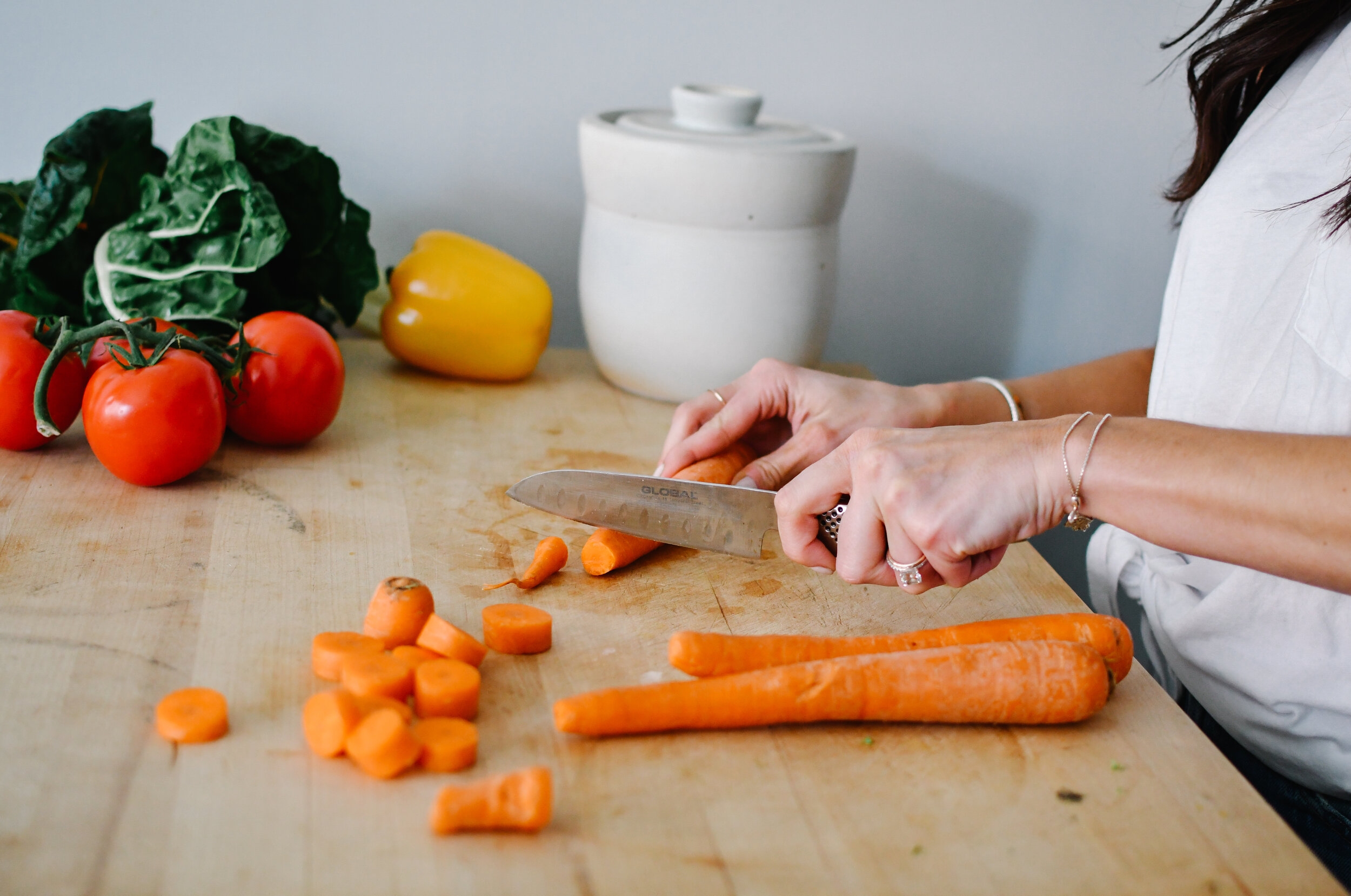
I keep a cutting board and knife on the counter at all times. Before I turn on any heat, I chop everything, measure sauces, and arrange ingredients in the order I will use them. This five-minute investment transforms the cooking experience from chaotic to smooth.
Embrace Imperfection
Quick meals are not about perfection. They are about good enough, delicious enough, and fast enough. A slightly uneven chop does not affect flavor. A sauce that is a little too thin is still tasty. The pursuit of perfection is often what slows cooks down. Let it go.
One-Pot Philosophy
The fastest meals are often the simplest in structure. One protein, one vegetable, one starch, one sauce. This simplicity reduces decision-making, minimizes cleanup, and allows flavors to integrate naturally. A stir-fry is essentially this formula in action.
Learn to Improvise
Quick cooking requires working with what you have rather than following rigid recipes. If you planned to make chicken stir-fry but the chicken is frozen, use eggs instead. If you are out of soy sauce, use fish sauce or even Worcestershire. The ability to substitute intelligently comes from understanding ingredients, not from memorizing recipes.

Essential Ingredients for Speed
A well-stocked kitchen is the foundation of quick cooking. Here are the ingredients that enable fast meals without requiring fresh shopping for every dinner.
Proteins That Cook Fast
Some proteins are inherently quick. Eggs cook in minutes. Shrimp takes three to four minutes. Thinly sliced chicken breast or pork cooks in five to six minutes. Canned beans need only heating. Pre-cooked rotisserie chicken is a legitimate shortcut.
Keep these quick proteins on hand. Eggs are always in my refrigerator. I keep frozen shrimp for emergencies. Canned beans and lentils provide protein without any cooking time.
Pre-Cooked Grains and Noodles
Leftover rice is the foundation of fried rice. Pre-cooked grains from the refrigerator or freezer become grain bowls in minutes. Fresh pasta cooks in two to three minutes. Ramen noodles, soba, and rice noodles rehydrate quickly in hot water.
I cook double batches of rice and grains intentionally, knowing that leftovers will become quick meals later in the week. This habit alone saves me hours of cooking time.
Flavor Bombs
Certain ingredients deliver intense flavor with minimal effort. These are the secret weapons of quick cooking.
-
Garlic and ginger: Aromatics that transform any dish in seconds.
-
Chili paste or hot sauce: Adds heat and complexity instantly.
-
Soy sauce and fish sauce: Umami depth in a pour.
-
Lemon and lime: Brightness that elevates simple ingredients.
-
Parmesan cheese: Salty, savory finish for pasta and vegetables.
-
Toasted nuts and seeds: Crunch and flavor in a sprinkle.
-
Fresh herbs: A handful of cilantro or basil makes any dish feel finished.
Pre-Washed and Pre-Cut Vegetables
While fresh vegetables are ideal, pre-washed greens, baby carrots, and frozen vegetables are legitimate time-savers. Frozen peas, spinach, and corn are often more nutritious than fresh versions that have been transported long distances. They require no washing, no chopping, and no waste.
Quick Meal Techniques That Deliver
Certain cooking techniques are inherently fast. Mastering them gives you a repertoire of meals that can be executed at speed.
Stir-Frying
Stir-frying is the ultimate quick cooking technique. High heat, a small amount of oil, constant motion, and a simple sauce. The key is preparation. Have everything cut and ready before the pan gets hot. Cook protein first, remove it, cook vegetables, return protein, add sauce, and serve.
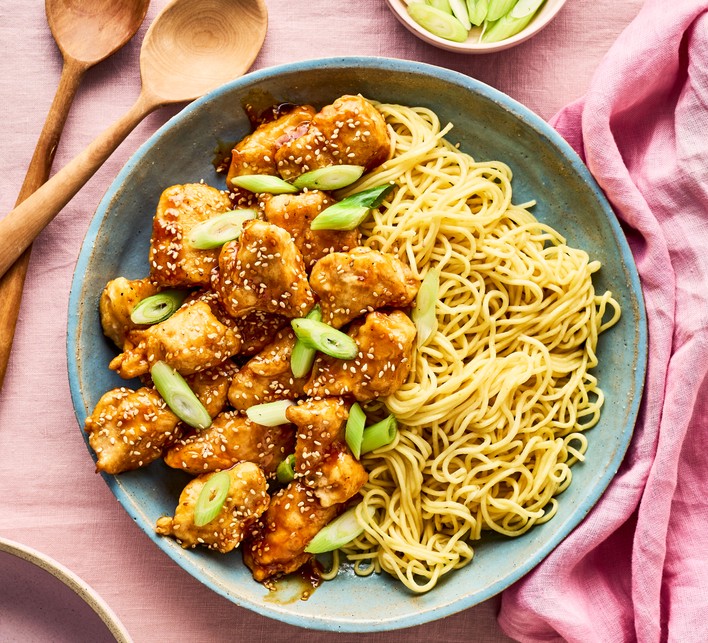
A basic stir-fry formula: protein plus vegetables plus aromatics plus sauce. The variations are endless. Chicken with broccoli and oyster sauce. Shrimp with snow peas and garlic. Tofu with bok choy and sesame. Each takes under fifteen minutes.
Pan-Searing
A hot pan, a small amount of oil, and a thin piece of protein creates a quick, flavorful meal. Fish fillets, chicken cutlets, pork chops, and steaks all sear beautifully in minutes. Finish with a pan sauce made from the browned bits, a splash of wine or stock, and a pat of butter.
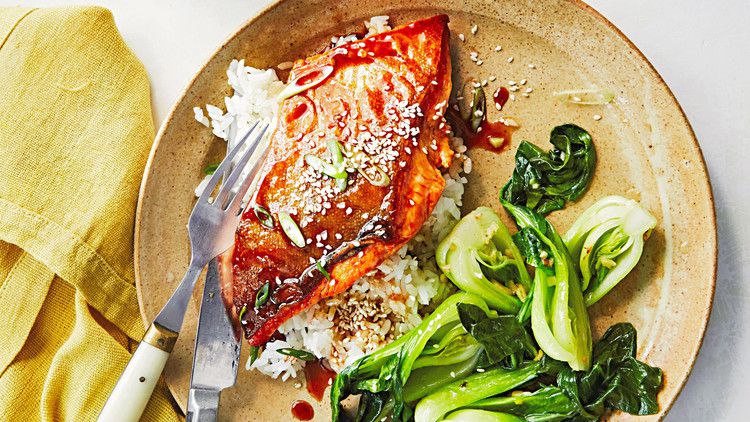
I make pan-seared salmon at least once a week. Five minutes skin-side down for crisp skin, two minutes on the other side, and a lemon-butter pan sauce. Served with a quickly sautéed green vegetable, it is a restaurant-quality meal in twelve minutes.
Egg Dishes
Eggs are the original fast food. Scrambled, fried, poached, or in an omelet, they cook in minutes. A frittata with leftover vegetables takes fifteen minutes and feeds a family. Shakshuka, eggs poached in spiced tomato sauce, is a complete meal that cooks in a single pan.
Pasta with Quick Sauces
Fresh pasta or thin dried pasta cooks in minutes. A sauce of olive oil, garlic, chili flakes, and parsley takes as long as the pasta takes to boil. Add canned tomatoes and basil for a simple marinara. Add cream and Parmesan for Alfredo. Add anchovies and olives for puttanesca.
Grain Bowls
A bowl of rice, quinoa, or farro topped with quickly cooked protein, raw or lightly cooked vegetables, and a flavorful sauce is a complete meal. The components can be mixed and matched based on what is available. This is my default when I have no plan and need dinner fast.
Quick Meal Ideas by Category
Here are specific meal ideas that can be executed in fifteen to twenty minutes, organized by main ingredient.
Egg-Based Quick Meals
-
Fried rice with vegetables and a fried egg on top
-
Shakshuka with crusty bread
-
Vegetable frittata with salad
-
Egg fried noodles with soy sauce and scallions
-
Soft scrambled eggs with smoked salmon and toast
Chicken Quick Meals
-
Chicken stir-fry with any vegetables and sauce
-
Chicken piccata with lemon, capers, and pasta
-
Chicken quesadillas with salsa and avocado
-
Coconut chicken curry with rice
-
Chicken and vegetable soup with noodles
Seafood Quick Meals
-
Pan-seared salmon with lemon butter and greens
-
Shrimp scampi with garlic and pasta
-
Fish tacos with slaw and lime
-
Tuna pasta with olives and tomatoes
-
Mussels in white wine with crusty bread
Vegetarian Quick Meals
-
Chickpea curry with spinach and rice
-
Caprese pasta with fresh mozzarella and basil
-
Tofu stir-fry with broccoli and sesame
-
Bean and cheese burritos with salsa
-
Lentil soup with crusty bread
Beef and Pork Quick Meals
-
Steak stir-fry with peppers and onions
-
Pork chops with apples and cabbage
-
Ground beef tacos with quick slaw
-
Beef and broccoli with rice
-
Sausage and peppers with polenta
Meal Prep Strategies for Even Faster Weeknights
The quickest meals are those that are partially prepared in advance. Strategic meal prep reduces weeknight cooking to assembly and final heating.
The Sunday Prep Session
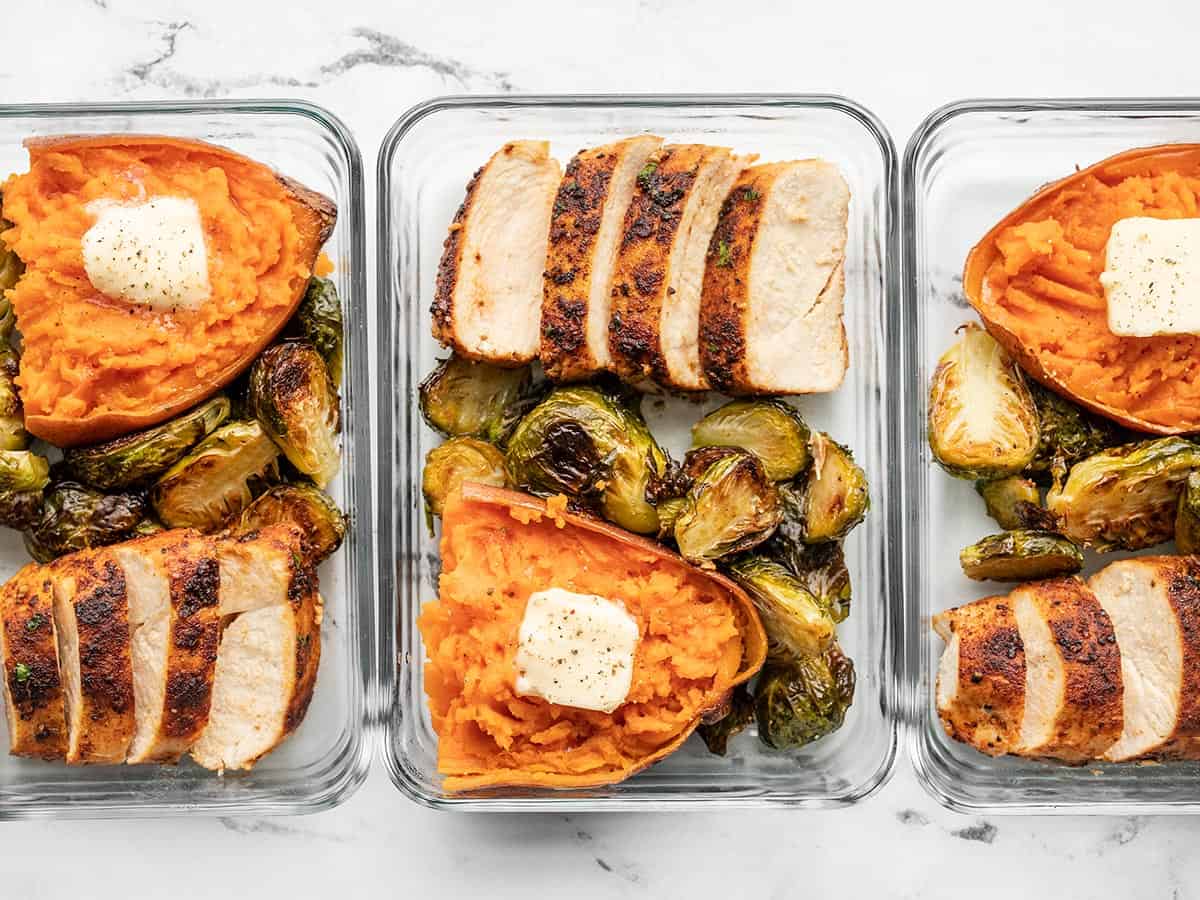
Spend one to two hours on Sunday preparing components for the week. Wash and chop vegetables. Cook grains and beans. Marinate proteins. Make a sauce or two. These components become building blocks for quick assembly.
I typically cook a pot of rice, a pot of beans, and a batch of roasted vegetables on Sunday. During the week, I combine them with fresh protein and quick sauces for meals that take under ten minutes.
The Freezer Stash
Certain foods freeze beautifully and reheat quickly. Soups, stews, curries, and cooked grains all freeze well. Portion them into individual containers for grab-and-reheat meals. Homemade frozen meals are healthier and cheaper than commercial versions.
The Emergency Pantry
Maintain a collection of shelf-stable ingredients that can become a meal with minimal effort. Canned tuna, beans, tomatoes, and coconut milk. Pasta, rice, and noodles. Dried herbs and spices. With these, you can always produce something edible even when the refrigerator is bare.
Common Mistakes That Slow You Down
Even with good intentions, certain habits turn quick cooking into a slow, frustrating experience.
Not Reading the Recipe First
If you discover mid-cooking that a step requires marinating for two hours or chilling overnight, your quick meal is ruined. Always read through any recipe completely before starting.
Cooking Cold Ingredients
Putting cold meat into a hot pan drops the temperature and prevents browning. Let proteins sit at room temperature for fifteen minutes before cooking. This small step dramatically improves results and does not add active cooking time.
Overcrowding the Pan
Adding too much food at once causes steaming instead of searing. Cook in batches if necessary. The extra few minutes are worth the superior texture and flavor.
Constant Stirring
Some ingredients need undisturbed contact with the hot pan to brown. Stirring constantly prevents this. Let meat sear without moving it. Let vegetables char slightly. Patience, even in quick cooking, produces better results.
Washing as You Go
While cleaning as you cook is generally good practice, it can become a distraction that slows you down. In quick cooking, focus on the food first. Clean up after you have plated.
Practical Tips for Sustainable Quick Cooking
Building quick cooking into your lifestyle requires more than recipes. It requires systems and habits.
Keep a running grocery list. When you use the last of a staple, add it to the list immediately. This prevents the emergency grocery runs that derail meal planning.
Maintain a capsule pantry. A small collection of versatile staples that enable quick meals without extensive shopping. Mine includes rice, pasta, canned beans, canned tomatoes, eggs, frozen vegetables, garlic, onions, soy sauce, and olive oil.
Master five quick meals. Do not try to learn dozens of recipes. Choose five that you enjoy and can make without thinking. Rotate them. Once they are automatic, add new ones gradually.
Use a timer. Even experienced cooks misjudge time. A timer prevents overcooking and frees your attention for other tasks.
Invest in a sharp knife. Chopping is the biggest time sink in quick cooking. A sharp knife cuts prep time in half and makes the process more enjoyable.
Accept that some nights are assembly nights. Not every meal needs to be cooked from scratch. A rotisserie chicken, a bag of salad, and a loaf of bread is a legitimate dinner. Give yourself permission to take shortcuts.
Frequently Asked Questions
Can quick meals really be healthy?
Yes. Quick cooking often relies on fresh ingredients and simple preparations, which are inherently healthy. The key is choosing whole foods over processed shortcuts. A stir-fry with fresh vegetables and lean protein is healthier than most frozen dinners.
How do I make quick meals taste good?
Flavor comes from salt, acid, fat, and heat. Season aggressively. Add acid at the end. Use good oil or butter. Get your pan hot enough to brown ingredients. These four elements transform simple ingredients into delicious food.
What if I do not have time to prep ingredients?
Pre-cut vegetables, frozen ingredients, and pre-cooked proteins are legitimate shortcuts. They cost more than starting from scratch but far less than takeout. Use them without guilt on busy nights.
How do I cook quickly for a family with different tastes?
Build meals with customizable components. A grain bowl with various toppings. Tacos with multiple fillings. Pasta with sauce on the side. This allows everyone to assemble their preferred combination without requiring separate meals.
What is the single best investment for quick cooking?
A sharp chef’s knife and the skill to use it. Fast, confident chopping transforms your cooking speed more than any appliance or gadget.
Can I meal prep without spending my entire Sunday cooking?
Yes. Focus on components rather than complete meals. Cook one grain, one protein, and wash vegetables. Assemble fresh during the week. Thirty minutes of prep is often sufficient.
Final Thoughts
My Tuesday night fried rice epiphany changed how I think about cooking. I realized that the barrier to home cooking is often not skill or time but mindset. The belief that proper meals require hours of preparation keeps people in the cycle of expensive, unhealthy convenience food. The truth is that with a few techniques, a well-stocked pantry, and fifteen minutes of focused effort, you can produce meals that satisfy both body and soul.
Quick meals are not a lesser form of cooking. They are a response to the reality of modern life. They honor the value of your time while respecting the importance of nourishing yourself and your family well. The goal is not to cook faster for its own sake, but to create space in your life for the things that matter beyond the kitchen.
Start with one quick meal this week. Master it. Make it again. Then add another. Over time, you will build a repertoire of fast, reliable dishes that free you from dependence on delivery apps and frozen boxes. The kitchen will become a place of ease rather than stress. And the meals you produce, quickly and simply, will be some of the most appreciated food you ever make.