I remember the Thanksgiving when I confidently volunteered to make the gravy. I had watched my mother do it dozens of times. How hard could it be? Twenty minutes later, I was staring at a pan of gray, lumpy liquid that tasted like flour paste and looked like something from a science experiment gone wrong. My aunt quietly took the pan from my hands, whisked in some warm broth, and produced a smooth, silky gravy in minutes. She did not mock me. She simply said, “Every cook has a graveyard of failed dishes. The good ones learn how to fix them.”
That lesson has stayed with me longer than any recipe. Cooking is not a linear path from ingredients to perfection. It is a process of problem-solving, improvisation, and recovery. The difference between a good cook and a great one is often not the absence of mistakes but the ability to recognize them early and correct them confidently.
This article addresses the most common cooking problems home cooks face, from overseasoned dishes to burnt food, from dry meat to soggy vegetables. You will learn not just how to fix these issues when they occur, but how to prevent them in the first place. Whether you are a beginner who just ruined your first sauce or an experienced cook looking to sharpen your troubleshooting skills, this guide will help you turn kitchen disasters into learning opportunities.
Why Cooking Problems Are Inevitable and Valuable
Before diving into specific solutions, it is worth reframing how we think about cooking mistakes. In professional kitchens, errors are not stigmatized. They are expected, analyzed, and used to improve systems. A chef who never makes a mistake is a chef who never pushes boundaries.
Home cooks, however, often treat mistakes as personal failures. A burnt dinner becomes evidence that they cannot cook. A collapsed cake becomes proof they should stick to takeout. This mindset is not just demoralizing. It is counterproductive. Every mistake contains information about heat, timing, ingredients, and technique. The cook who learns to read that information becomes more capable with every error.
I have ruined more dishes than I can count. I have overcooked steaks into shoe leather, curdled cream sauces into scrambled messes, and produced bread so dense it could have been used as a doorstop. Each failure taught me something specific about temperature control, emulsion stability, or gluten development. Those lessons are now part of my cooking intuition, the internal alarm that goes off when something is going wrong before it becomes irreversible.

The Most Common Cooking Problems and How to Fix Them
Here are the cooking problems that appear most frequently in home kitchens, organized by category with practical solutions for each.
Overseasoned and Underseasoned Food
Seasoning is the most frequent source of cooking problems because it is the most subjective. What tastes perfectly salted to one person may be bland or briny to another.
When Food Is Too Salty
An oversalted dish is not necessarily ruined. The key is to dilute or balance the salt rather than trying to remove it directly.
-
For soups, stews, and sauces, add unsalted liquid to dilute the concentration. Water, unsalted broth, or even a splash of cream can reduce saltiness proportionally.
-
Add acid to counteract salt. A squeeze of lemon juice or a splash of vinegar can make saltiness less perceptible without actually removing salt.
-
Add bulk ingredients that absorb salt. Potatoes, rice, pasta, or additional vegetables can distribute the salt across more volume.
-
For gravies and sauces, a raw potato peeled and simmered in the liquid can absorb some salt. Remove it before serving.
-
A small amount of sugar can sometimes balance excessive saltiness, though this requires careful application to avoid creating a sweet-salty clash.
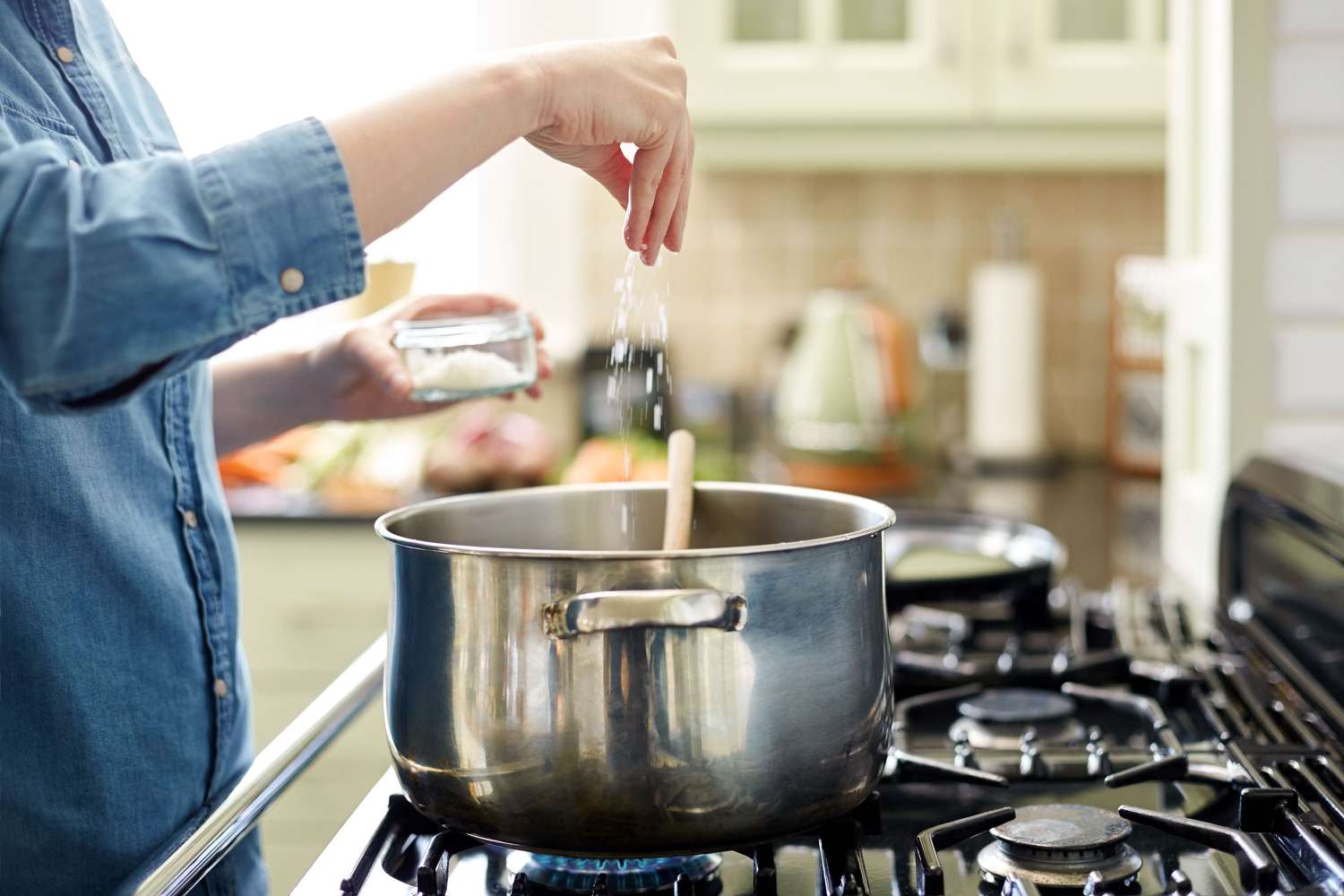
Prevention is straightforward. Season gradually and taste frequently. Add salt in small increments, especially when using ingredients that are already salty, such as cheese, cured meats, or canned broth.
When Food Is Too Bland
Underseasoned food is easier to fix than overseasoned food, but it requires understanding what is missing.
-
Salt enhances flavor. If a dish tastes flat, salt is usually the missing element. Add gradually until the flavors brighten.
-
Acid, lemon, vinegar, or tomato, adds dimension and cuts richness. A squeeze of lemon can transform a dull soup.
-
Fat carries flavor. A drizzle of good olive oil or a pat of butter can make seasonings more perceptible.
-
Texture matters. A sprinkle of toasted nuts, crunchy breadcrumbs, or fresh herbs can make a bland dish feel more interesting even if the base flavor remains simple.
I used to be timid with salt, afraid of oversalting. The result was consistently underwhelming food. Learning to season aggressively but gradually transformed my cooking more than any technique or recipe.
Burnt Food
Burning is the most dramatic cooking failure, but it is not always fatal.
When the Bottom Is Burnt but the Top Is Fine
This happens frequently with rice, stews, and baked dishes. The key is to stop the cooking immediately and avoid stirring the burnt layer into the rest of the food.
-
Transfer the unburnt portion to a clean pan or dish, leaving the burnt layer behind. Do not scrape the bottom.
-
Taste the transferred food. If it has absorbed a burnt flavor, a splash of acid or a fresh herb garnish can sometimes mask it.
-
For rice, place a slice of white bread on top of the transferred portion and cover for ten minutes. The bread can absorb some of the smoky flavor.
When the Entire Dish Is Burnt
If the food is genuinely charred throughout, it is usually beyond saving. However, you can sometimes salvage components. Remove any unburnt pieces. Rinse them briefly if they taste smoky. Repurpose them in a new dish with strong flavors that can mask the remaining burnt notes.
Prevention requires attention to heat management. Most burning happens because the heat is too high or the cook is distracted. Use a timer. Stir regularly. Lower the heat if you need to step away. A heavy-bottomed pan distributes heat more evenly and reduces hot spots that cause burning.
Dry Meat and Overcooked Proteins
Dry meat is one of the most disappointing cooking outcomes because the ingredient is often expensive and the error is usually irreversible.
When Meat Is Already Dry
-
Slice it thinly against the grain. Thin slices feel less dry than thick chunks.
-
Serve with a moist sauce or gravy. A jus, pan sauce, or even a simple vinaigrette can make dry meat palatable.
-
Repurpose it. Dry chicken becomes chicken salad with mayonnaise. Dry beef becomes stroganoff with a creamy sauce. Shred it and simmer in broth for tacos or soup.
-
For poultry, a quick soak in warm, salted broth can sometimes rehydrate slightly dry meat.
When Meat Is Slightly Overcooked but Not Yet Dry
Remove it from heat immediately. Let it rest, then slice and serve with a sauce. The resting period allows juices to redistribute, which can salvage a slightly overdone piece.
Prevention is about understanding temperature and timing. Use a meat thermometer. It removes guesswork. Rest meat after cooking to allow juices to redistribute. Choose cooking methods appropriate to the cut. Tough cuts need long, slow cooking to break down collagen. Tender cuts need quick, high-heat cooking to avoid drying out.
I invested in a digital meat thermometer after ruining an expensive roast. It cost twenty dollars and has saved me hundreds in ruined meat. The difference between perfectly cooked and overcooked is often just a few degrees.
Soggy Vegetables
Vegetables that should be crisp and vibrant end up limp and waterlogged for several predictable reasons.
When Vegetables Are Already Soggy
-
For roasted vegetables, return them to a hot oven to drive off excess moisture. High heat can sometimes restore some texture.
-
For sautéed vegetables, drain excess liquid and finish over high heat to evaporate moisture and recapture some browning.
-
Repurpose soggy vegetables into soups, stews, or purees where texture is less critical.
Prevention is about controlling moisture and heat.
-
Do not overcrowd the pan. Vegetables release moisture as they cook. If the pan is too full, they steam instead of sauté.
-
Dry vegetables before cooking. Wet vegetables will not brown. Pat them dry with a towel.
-
Use high heat for quick-cooking methods. Sautéing and stir-frying require temperatures high enough to evaporate moisture quickly.
-
Add salt at the right time. Salt draws out moisture. For methods where you want browning, salt after the vegetables have partially cooked. For methods where you want softening, salt early.
I learned this lesson the hard way with a stir-fry that turned into a vegetable stew. The pan was too full, the heat was too low, and the vegetables were wet from washing. Now I cook vegetables in batches, use a towel to dry them, and ensure the pan is hot before they hit the surface.
Lumpy Sauces and Gravies
A lumpy sauce is a common failure that feels catastrophic but is usually easy to fix.
When a Sauce Is Lumpy
-
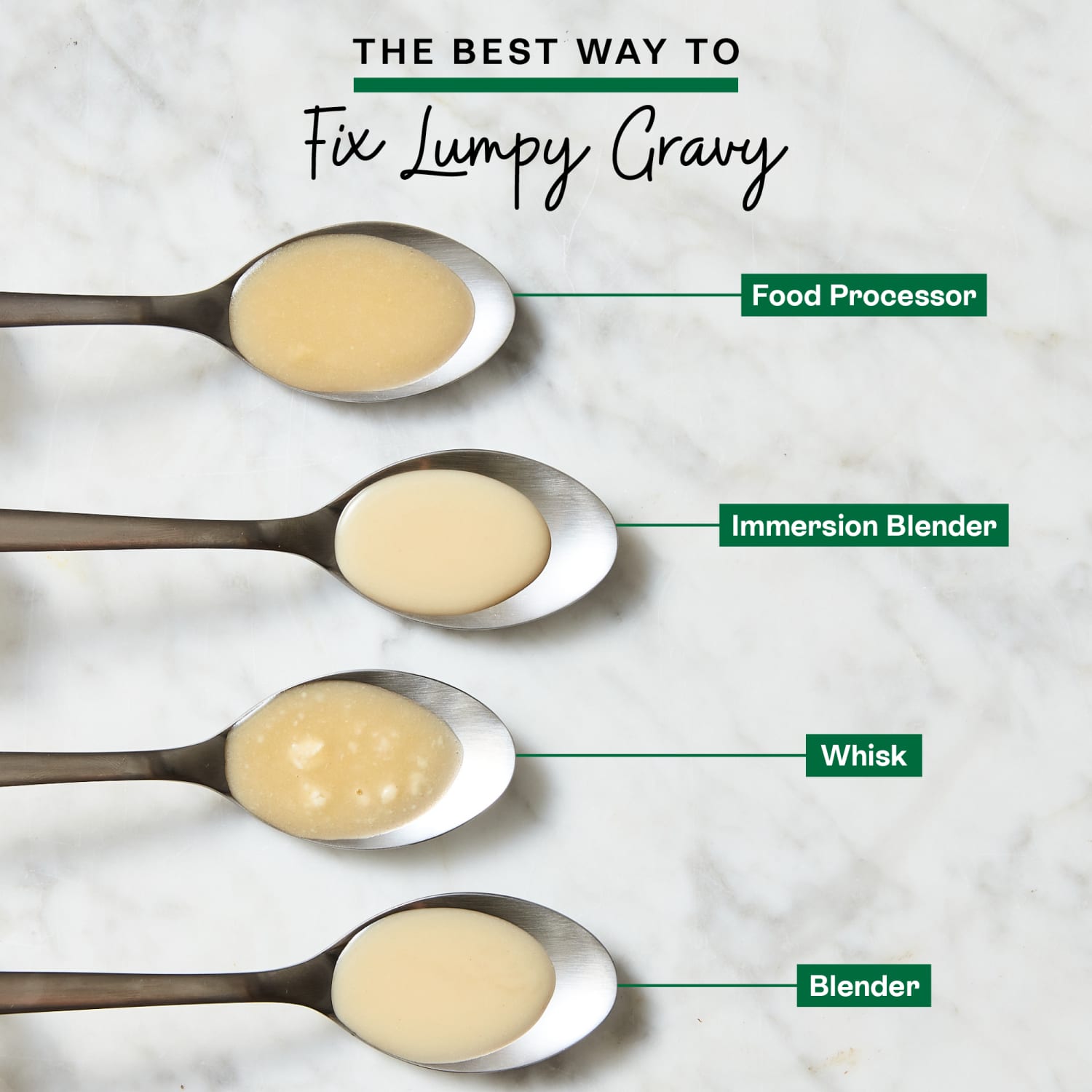
For flour-based sauces, a whisk is usually sufficient to break up small lumps. Vigorous whisking over low heat can smooth out minor issues.
-
For stubborn lumps, strain the sauce through a fine-mesh sieve. This removes lumps without affecting flavor.
-
An immersion blender can puree lumps into smoothness. This works well for vegetable-based sauces and some gravies.
-
As a last resort, transfer the sauce to a blender, blend until smooth, and return to the pan. This is effective but can slightly alter texture.
Prevention is about proper technique for thickening sauces.
-
When making a roux, cook the flour and fat together before adding liquid. This prevents raw flour lumps.
-
Add liquid gradually, whisking constantly. Dumping all the liquid at once creates clumps.
-
Use room temperature or warm liquid rather than cold. Cold liquid shocks the starch and causes lumping.
-
For cornstarch slurries, mix the cornstarch with cold water before adding to hot liquid. Adding dry cornstarch directly to hot liquid creates instant lumps.
My Thanksgiving gravy failure was caused by adding cold broth to a hot roux all at once. Now I warm my broth, add it in small increments, and whisk continuously. The result is consistently smooth.
Curdled Dairy and Broken Emulsions
Dairy curdling and sauce breaking are among the most visually unappealing cooking failures.
When Cream or Milk Curdles
Curdling happens when dairy proteins coagulate due to high heat or acid. It is often irreversible, but sometimes salvageable.
-
Remove from heat immediately to stop further curdling.
-
For slightly curdled sauces, an immersion blender can sometimes re-emulsify the mixture.
-
For soups, blending thoroughly may mask the curdling enough to serve.
-
Prevention is more effective than cure. Add dairy at the end of cooking, over low heat, and never allow it to boil.
When a Vinaigrette or Hollandaise Breaks
A broken emulsion separates into its component parts, oil and water, instead of remaining smooth.
-
For a broken vinaigrette, start with a small amount in a clean bowl and slowly whisk the broken mixture back into it, drop by drop, as if making it fresh.
-
For hollandaise, whisk in a teaspoon of warm water or an additional egg yolk to rebind the emulsion.
-
Prevention requires adding oil slowly to the water-based component while whisking vigorously. Temperature matters too. Too hot or too cold can destabilize the emulsion.
I broke my first hollandaise three times before succeeding. Each failure taught me something about temperature control and patience. Now I make it over a double boiler with careful attention to gentle heat.
Dense or Flat Baked Goods
Baking is chemistry, and errors are less forgiving than in savory cooking.
When Bread or Cake Is Too Dense
-
Dense bread may be underproofed. The yeast did not have enough time to create gas bubbles. Next time, allow longer rising.
-
Dense cake may be caused by overmixing, which develops gluten and creates toughness, or by too much liquid, which weighs down the structure.
-
For a dense cake that is already baked, serve with whipped cream or fruit to add lightness. For bread, toast it and use for bruschetta or crostini where density is an asset.
When Baked Goods Collapse
-
A collapsed cake was likely underbaked or opened too early. The structure had not set before being disturbed.
-
Prevention requires patience. Do not open the oven door during the first two-thirds of baking time. Test for doneness with a toothpick or thermometer rather than appearance alone.

The Mindset of a Problem-Solving Cook
Beyond specific techniques, the most valuable skill in cooking is developing a troubleshooting mindset. Here is how to cultivate it.
Taste Constantly
The best cooks taste their food at every stage. This is not just about final seasoning. It is about catching problems early. A sauce that tastes slightly off halfway through cooking can be adjusted. The same sauce served without tasting is a disaster.
Understand the Science
Cooking problems are easier to fix when you understand why they happen. Saltiness is about concentration. Burning is about heat and time. Dry meat is about temperature and moisture. Lumpy sauces are about starch hydration. Curdling is about protein coagulation. Each problem has a physical cause, and understanding that cause points to the solution.
Build a Recovery Toolkit
Keep ingredients on hand that can rescue failed dishes. Unsalted broth for diluting oversalted food. Lemon for adding brightness. Cream for enriching thin sauces. Eggs for rebinding emulsions. Bread for absorbing excess moisture or flavor. A well-stocked pantry is also a well-stocked repair kit.
Know When to Start Over
Some cooking problems cannot be fixed. A genuinely burnt dish, severely curdled cream, or completely collapsed soufflé may be beyond salvage. The wisdom to recognize this and start fresh is as valuable as the skill to fix minor issues. Do not serve food you would not want to eat yourself.
Document Your Failures
Keep a cooking journal. Note what went wrong, why you think it happened, and what you tried to fix it. Over time, patterns emerge. You will notice that you consistently underseason, or overcook chicken, or rush sauces. This awareness is the foundation of improvement.
Common Mistakes That Lead to Cooking Problems
Prevention is always better than cure. Here are the habits that most frequently cause kitchen disasters.
Not Reading the Recipe Through
Starting a recipe without understanding the full process leads to surprises. A step that requires overnight marination discovered at dinner time. A technique you have never tried appearing mid-recipe. Read completely before beginning.
Cooking on Autopilot
Distraction is the enemy of good cooking. Phone notifications, television, conversations, and multitasking pull attention away from the task. A pot boils over. Garlic burns. Meat overcooks. Cooking deserves focused attention.
Ignoring Your Senses
Good cooking engages all the senses. The sound of a proper sauté. The smell of browning butter. The visual cues of a sauce thickening. Cooks who rely only on timers and recipes miss the feedback their senses provide.
Rushing
Most cooking problems are caused by impatience. Turning the heat up to speed things up. Skipping resting times. Not allowing dough to rise. Cooking is often a waiting game, and the cook who waits usually wins.
Fear of Experimentation
Paradoxically, the cooks who make the fewest mistakes often make the most. They stick to safe recipes and never push boundaries. The result is competent but unremarkable food. The best cooks take risks, fail occasionally, and learn from those failures.
Practical Tips for Building Cooking Confidence
If cooking problems have shaken your confidence, here are steps to rebuild it.
Start with forgiving recipes. Soups, stews, and stir-fries are hard to ruin completely and easy to adjust. Master these before attempting finicky pastries or expensive proteins.
Cook for yourself first. The pressure of cooking for guests amplifies anxiety. Practice new techniques when the only critic is you.
Invest in a few good tools. A sharp knife, a reliable thermometer, and a heavy-bottomed pan prevent more problems than any gadget. Quality tools make cooking easier and more enjoyable.
Learn one technique at a time. Do not try to master roasting, braising, and emulsifying simultaneously. Focus on one method until it feels natural, then expand.
Celebrate small wins. A perfectly roasted chicken. A smooth pan sauce. Crisp vegetables. These achievements build confidence that carries over to more complex challenges.
Find a cooking mentor. Whether a relative, a friend, or a teacher, someone who can demonstrate techniques and troubleshoot your specific problems accelerates learning dramatically.
Frequently Asked Questions
Can you fix food that is completely burnt?
Usually no. If the food is charred throughout, the chemical changes are irreversible. However, you can sometimes salvage unburnt portions by carefully transferring them to a clean dish and masking any residual smoky flavor with strong seasonings or sauces.
Why does my food always turn out bland?
Blandness usually results from insufficient seasoning, lack of acid, or cooking at too low a temperature to develop flavor. Season more aggressively, add acid to brighten flavors, and ensure you are browning ingredients properly to build depth.
How do I know when meat is done without cutting into it?
A digital meat thermometer is the most reliable method. For steak, use the touch test. Press the meat and compare its firmness to the flesh at the base of your thumb. For poultry, the juices should run clear when pierced near the bone.
What causes sauces to separate?
Sauces separate when the emulsion breaks, usually due to temperature extremes, adding ingredients too quickly, or insufficient binding agents. Add fat slowly to water-based components, maintain moderate temperatures, and use emulsifiers like egg yolk or mustard when needed.
Is it safe to eat curdled sauce?
Curdled dairy is usually safe to eat, though unappealing. The curdling is a physical change, not spoilage. However, if the curdling is accompanied by an off smell or unusual color, discard the food as it may indicate spoilage rather than simple heat damage.
How do I prevent vegetables from getting soggy?
Use high heat, dry vegetables before cooking, avoid overcrowding the pan, and do not cover the pan unless you intend to steam. These practices ensure moisture evaporates quickly rather than accumulating.
Final Thoughts
My Thanksgiving gravy disaster was embarrassing at the time, but it became one of my most valuable cooking lessons. It taught me that failure is information, that most cooking problems have solutions, and that the difference between a good cook and a bad one is often just a few minutes of attention and a willingness to learn.
Cooking problems are not signs that you do not belong in the kitchen. They are signs that you are cooking, which means you are learning. The cook who never burns, curdles, or overseasons is the cook who never tries anything new. The cook who recovers gracefully from mistakes is the cook who will eventually produce memorable meals.
Approach your kitchen with curiosity rather than fear. Taste constantly. Pay attention. Learn the science behind the techniques. Build a toolkit of recovery strategies. And when all else fails, remember that even the best chefs have graveyards of failed dishes. What distinguishes them is that they keep cooking, keep learning, and keep getting better.
The next time something goes wrong in your kitchen, do not panic. Assess the situation. Apply what you know. And if the dish is truly beyond saving, order pizza with the confidence that tomorrow’s meal will be better because of what you learned today.