I remember the month I decided to track exactly how much I was spending on food. I had always assumed I was reasonably frugal, buying generic brands and cooking at home most nights. But when I added up the receipts, the total shocked me. Between impulse purchases at the grocery store, convenience meals when I was too tired to cook, and restaurant deliveries that seemed like small indulgences at the time, I was spending nearly a quarter of my monthly income on food alone. That realization forced me to rethink everything I thought I knew about eating on a budget.
The good news is that reducing your food spending does not mean resigning yourself to bland, repetitive meals. In fact, some of the most satisfying dishes I have ever cooked came from necessity, from looking at a nearly empty pantry and creating something delicious from humble ingredients. Budget cooking is not about deprivation. It is about creativity, planning, and understanding which ingredients deliver the most flavor and nutrition for your money.
This article provides a comprehensive guide to budget meals that are genuinely enjoyable, nutritionally balanced, and practical for real life. Whether you are feeding a family, cooking for one, or simply trying to reduce expenses without sacrificing quality, you will find actionable strategies, proven recipes, and mindset shifts that make frugal eating sustainable and even pleasurable.
Why Budget Cooking Is a Skill Worth Mastering
Food is one of the largest variable expenses in most household budgets. Unlike rent or mortgage payments, which are fixed, food spending fluctuates based on habits, planning, and impulse control. This variability makes it both a challenge and an opportunity. Small changes in how you shop, cook, and eat can produce significant savings over time.
The Real Cost of Convenience
Modern life makes it easy to spend more on food than we realize. Pre-cut vegetables cost double the whole version. Single-serve packaging carries a premium. Restaurant meals typically cost three to four times what the same ingredients would cost at home. Delivery apps add fees, tips, and markups that transform a simple dinner into a luxury expense.
I calculated that my habit of buying lunch at work was costing me over two thousand dollars annually. Switching to packed lunches made from dinner leftovers saved most of that money without requiring me to eat anything I did not enjoy.
The Health Dividend
Budget cooking often correlates with healthier eating. Whole ingredients, prepared at home, typically contain less sodium, sugar, and processed fat than restaurant or packaged meals. When you cook from scratch, you control what goes into your food. The savings are not just financial. They are physical.
The Skill That Compounds
Cooking on a budget is a skill that improves with practice. The more you do it, the better you become at spotting deals, improvising with available ingredients, and creating meals that taste expensive without being expensive. This compounding skill creates a virtuous cycle where saving money becomes easier over time.
The Foundations of Budget Meal Planning
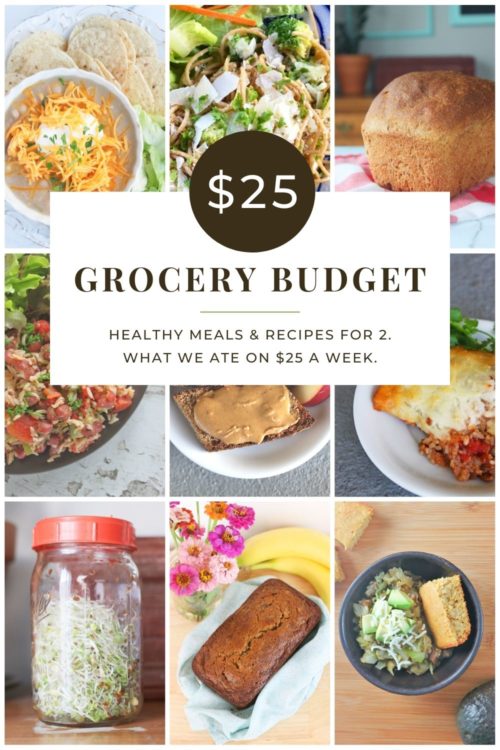
Effective budget cooking starts before you enter the kitchen. It starts with planning, shopping strategy, and pantry management.
Meal Planning That Actually Works
The most effective budget meal planning is not elaborate or rigid. It is a simple framework that prevents waste and reduces decision fatigue.
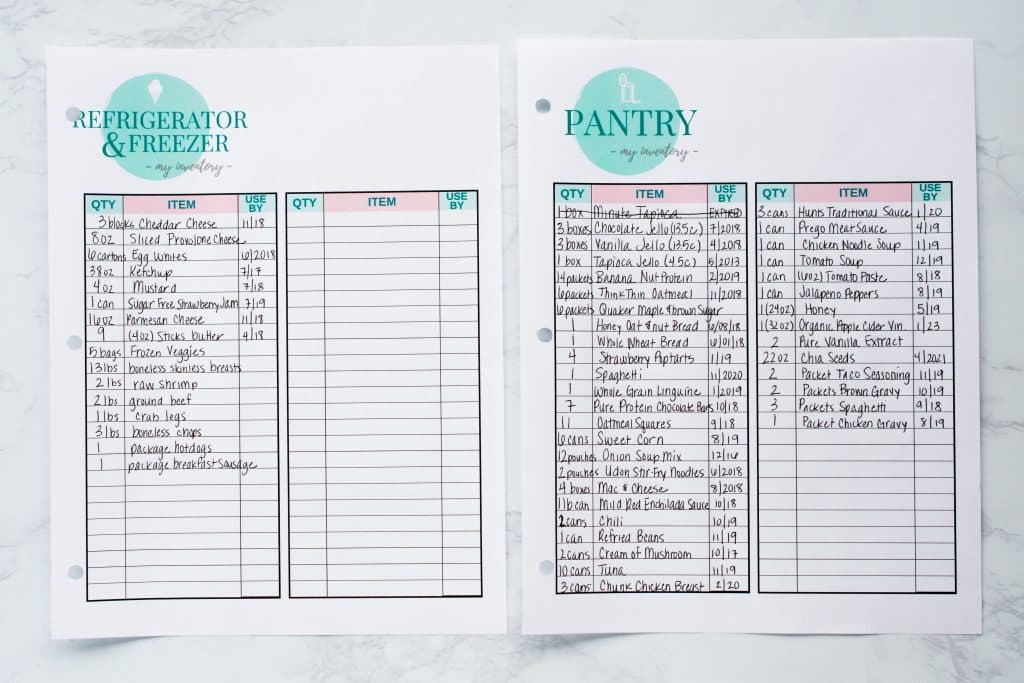
Start by surveying what you already have. Check your pantry, refrigerator, and freezer before planning anything. Build meals around ingredients that need to be used soon. This prevents spoilage and reduces your shopping list.
Plan for variety without complexity. Aim for a mix of proteins, grains, and vegetables across the week. You do not need a different cuisine every night. Simple rotations of familiar dishes with minor variations keep meals interesting without requiring exotic ingredients.
Build in flexibility. Life happens. Plans change. Design your meal plan so that components can be shifted. A vegetable intended for Tuesday’s stir-fry can become Wednesday’s soup if Tuesday gets hectic.
I use a simple weekly template. Monday is pasta night. Tuesday is rice and beans. Wednesday is a one-pot dish. Thursday is leftover remix. Friday is flexible. Saturday is a slightly more elaborate meal. Sunday is soup or stew that generates leftovers for the week. This structure provides enough predictability to simplify shopping while allowing creativity within each category.
Strategic Shopping
How you shop matters as much as what you buy.
Buy staples in bulk. Rice, dried beans, lentils, oats, flour, and pasta have long shelf lives and cost significantly less per serving when purchased in larger quantities. Store them properly and they will last for months.
Embrace seasonal produce. Vegetables and fruits in season are fresher, tastier, and cheaper than out-of-season imports. Learn what grows when in your region and plan meals accordingly.
Compare unit prices. The larger package is not always the better deal. Calculate cost per ounce or per pound to find the true lowest price. Store brands often match or exceed name-brand quality at a fraction of the cost.
Limit shopping trips. The more often you shop, the more you spend. Each trip exposes you to temptation. I shop once per week with a list and rarely exceed it. Emergency trips are for milk and eggs only.
Use loyalty programs and apps judiciously. Store apps and coupons can save money, but they can also encourage purchases you would not otherwise make. Use them for items already on your list, not as a reason to buy something new.
Budget-Friendly Ingredients That Deliver Maximum Value
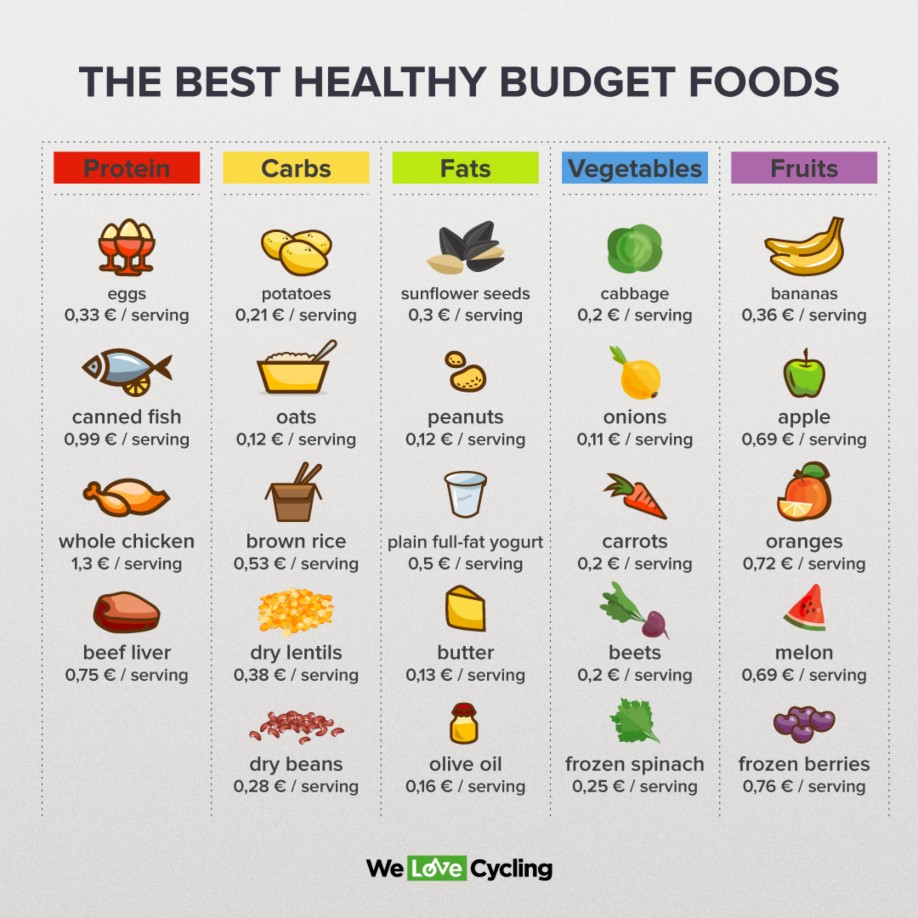
Certain ingredients are workhorses of budget cooking. They are inexpensive, versatile, nutritious, and satisfying.
Dried Legumes
Beans, lentils, and chickpeas are nutritional powerhouses. They provide protein, fiber, and complex carbohydrates at a fraction of the cost of meat. A pound of dried lentils costs less than a single fast-food burger and feeds a family of four. They work in soups, stews, salads, curries, and spreads.
If cooking dried beans feels intimidating, start with lentils. They cook in twenty to thirty minutes without soaking and are nearly impossible to overcook.
Whole Grains
Brown rice, oats, barley, and whole wheat pasta provide sustained energy and cost pennies per serving. They form the base of countless budget meals across every cuisine. A pot of rice can accompany a stir-fry on Monday, become fried rice on Tuesday, and thicken a soup on Wednesday.
Eggs
Eggs are one of the most complete protein sources available and remarkably affordable. They work for breakfast, lunch, dinner, and baking. A simple omelet with vegetables is a complete meal that costs less than a dollar.
Root Vegetables
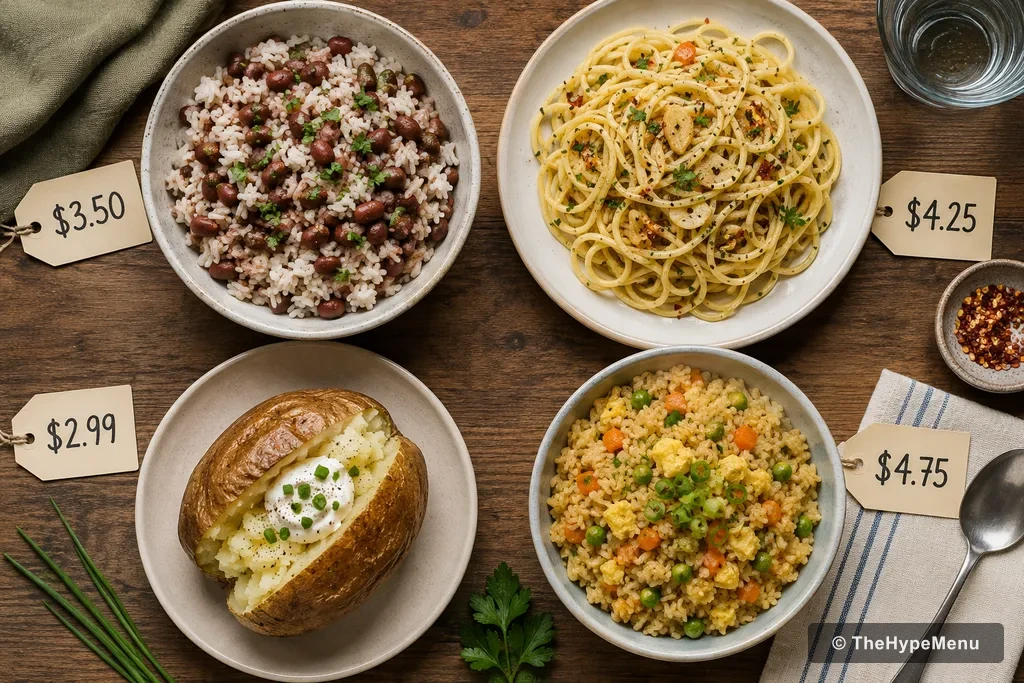
Potatoes, carrots, onions, and sweet potatoes are cheap, filling, and versatile. They roast beautifully, mash smoothly, and stretch proteins in stews and casseroles. A baked potato with toppings is a satisfying dinner that costs less than most side dishes at restaurants.
Canned and Frozen Produce
Canned tomatoes, frozen vegetables, and frozen fruits are often more affordable than fresh and have comparable nutritional value. They reduce waste because they do not spoil quickly. Canned tomatoes form the base of countless sauces and soups. Frozen vegetables add nutrition to any dish with minimal effort.
Whole Chicken
Buying a whole chicken rather than pre-cut pieces saves money and yields multiple meals. Roast it for dinner one night. Use leftover meat for sandwiches, salads, or tacos. Simmer the bones for stock that becomes the base of soups and risottos. One bird can feed a family for three days.
Proven Budget Meal Categories and Recipes
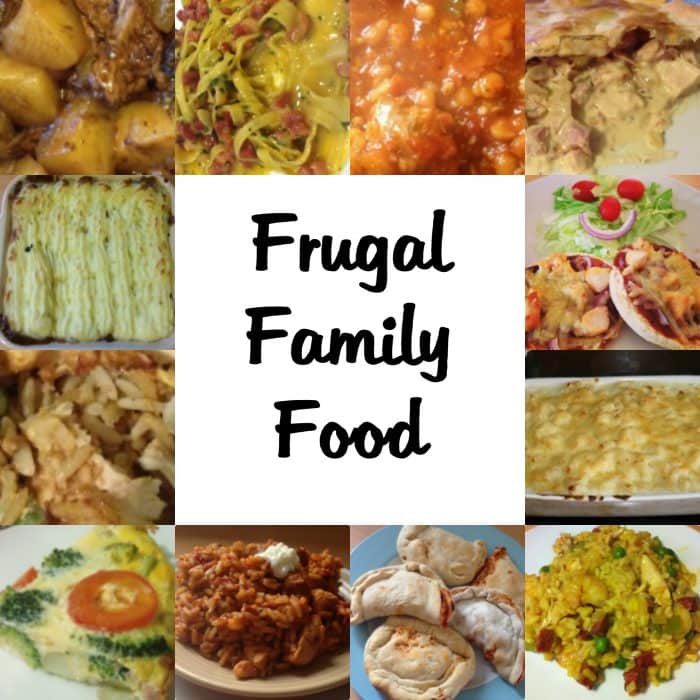
Here are meal categories that consistently deliver satisfaction on a tight budget, with practical guidance for each.
Rice and Bean Dishes
This combination appears in virtually every food culture because it works. Rice provides carbohydrates. Beans provide protein and fiber. Together they form a complete protein and an incredibly satisfying meal.
A simple approach is to sauté onions, garlic, and any available vegetables. Add cooked beans, spices, and a splash of broth. Simmer until flavors meld. Serve over rice with hot sauce, fresh herbs, or a dollop of yogurt. Variations are endless. Mexican-style with cumin and chili. Indian-style with turmeric and garam masala. Mediterranean-style with oregano and lemon.
Pasta with Pantry Sauces
Pasta is cheap and filling. The sauce is where creativity matters. A can of tomatoes, garlic, and olive oil makes a classic marinara. Peanut butter, soy sauce, and chili flakes create a quick Asian-inspired sauce. Canned tuna, lemon, and capers produce a light but satisfying topping. Even a simple sauce of butter, garlic, and Parmesan is restaurant-quality when executed well.
One-Pot Soups and Stews
Soups and stews are the ultimate budget meal. They stretch small amounts of protein across many servings, use up aging vegetables, and improve in flavor over time. Start with aromatics like onions, carrots, and celery. Add broth, protein, and vegetables. Simmer until tender. Season aggressively.
A basic vegetable soup costs almost nothing and feeds a crowd. Add lentils or beans for protein. Add a parmesan rind for depth. Finish with fresh herbs or a splash of vinegar for brightness.
Egg-Based Meals
Frittatas, quiches, and shakshuka transform eggs into dinner-worthy dishes. A frittata with leftover vegetables and a sprinkle of cheese is elegant, nutritious, and costs less than a fast-food sandwich. Shakshuka, eggs poached in spiced tomato sauce, is a restaurant favorite that costs under two dollars per serving at home.
Repurposed Leftovers
The most advanced budget cooking skill is turning leftovers into something new. Last night’s roasted chicken becomes today’s chicken salad and tomorrow’s soup. Monday’s rice becomes Tuesday’s fried rice. Stale bread becomes croutons, breadcrumbs, or bread pudding. This creativity prevents monotony and maximizes every ingredient.

Making Budget Meals Healthy and Balanced
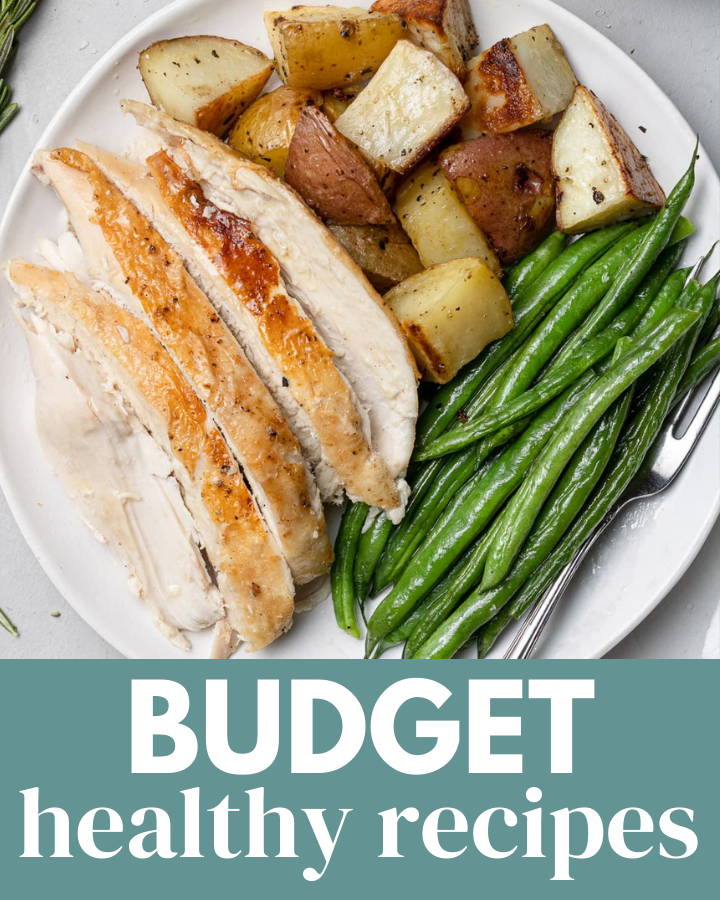
Eating cheaply does not mean eating poorly. With attention to a few principles, budget meals can be nutritionally complete.
Prioritize Whole Foods Over Processed
Processed foods are often cheap per calorie but expensive per nutrient. A bag of chips costs less than a bag of apples but provides almost no nutritional value. Whole foods, beans, grains, vegetables, eggs, deliver vitamins, minerals, and fiber alongside their calories.
Include Protein at Every Meal
Protein promotes satiety and supports muscle maintenance. Eggs, legumes, dairy, and occasionally meat or fish provide adequate protein without requiring expensive cuts. Combining grains and legumes, rice and beans, hummus and pita, creates complete proteins comparable to meat.
Do Not Skip Vegetables
Frozen and canned vegetables make it affordable to include produce in every meal. Even a simple addition of frozen spinach to pasta or canned corn to soup increases nutritional value significantly.
Use Healthy Fats Strategically
Olive oil, nuts, and avocados add healthy fats that improve nutrient absorption and satisfaction. A small amount of oil or a handful of nuts transforms a plain dish into a satisfying meal.
Watch the Sodium
Budget cooking sometimes relies on canned and processed ingredients that can be high in sodium. Rinse canned beans and vegetables. Use low-sodium broth. Season with herbs, spices, and acid, lemon juice or vinegar, rather than salt alone.
Common Budget Cooking Mistakes
Even with good intentions, it is easy to undermine your budget cooking efforts.
Buying Too Much Fresh Produce
Fresh vegetables are wonderful but perishable. Buying more than you can use before they spoil is throwing money away. Start with frozen and canned options until you understand your actual consumption patterns.
Cooking Complicated Recipes
Elaborate recipes with long ingredient lists defeat the purpose of budget cooking. Simple dishes with few ingredients often taste better and cost less. Master five basic recipes before expanding your repertoire.
Ignoring Leftovers
Cooking exactly enough for one meal wastes the efficiency of batch cooking. Intentionally cook extra and plan how to use it. Leftovers are not failures. They are head starts on tomorrow’s dinner.
Shopping While Hungry
This is classic advice for a reason. Hunger impairs judgment and increases impulse purchases. Eat before you shop, stick to your list, and avoid the temptation of samples and displays.
Equating Cheap with Boring
The biggest budget cooking mistake is psychological. If you believe cheap food must be boring, you will resist the effort and revert to expensive habits. Reframe budget cooking as a creative challenge. Some of the world’s most beloved cuisines, Mexican, Indian, Thai, evolved from making delicious food from humble ingredients.
Practical Tips for Sustainable Budget Eating
Building lasting habits requires more than recipes. It requires systems and mindset.
Start a Price Book
Track the prices of staples you buy regularly. Over time, you will recognize genuine sales versus marketing tricks. You will know when to stock up and when to wait.
Build a Capsule Pantry
Maintain a small collection of versatile staples that enable quick meals without shopping. Mine includes dried lentils, rice, pasta, canned tomatoes, olive oil, onions, garlic, eggs, and frozen vegetables. With these, I can make a satisfying dinner even when the refrigerator is nearly empty.
Cook Once, Eat Twice
Double recipes and freeze half. The marginal effort of cooking extra is small compared to cooking an entirely new meal. Your future self will thank you on busy nights.
Embrace Meat as a Flavoring
Meat does not need to be the centerpiece of every meal. A small amount of bacon in a lentil soup, a handful of ground beef in a vegetable sauce, or a few shreds of chicken in a grain bowl provide meaty satisfaction at a fraction of the cost of a steak dinner.
Celebrate Imperfection
Not every budget meal will be a masterpiece. Some will be merely adequate. That is fine. The goal is consistent, sustainable eating that nourishes your body and preserves your finances. A simple, honest meal is better than an expensive one that leaves you stressed about money.
Frequently Asked Questions
Can you really eat healthy on a tight budget?
Yes. Whole grains, legumes, eggs, seasonal vegetables, and frozen produce provide excellent nutrition at low cost. The key is cooking from scratch rather than relying on processed convenience foods.
How much should I budget for food per person?
This varies by location and dietary needs, but many families find they can eat well on forty to sixty dollars per person per week with careful planning. Single adults may spend slightly more per person due to lack of bulk buying advantages.
What if I do not have time to cook?
Batch cooking on weekends, using slow cookers or pressure cookers, and keeping simple emergency meals on hand all reduce daily cooking time. Even fifteen minutes of preparation yields better and cheaper results than most convenience options.
Is it cheaper to eat out or cook at home?
Cooking at home is almost always cheaper, often by a factor of three or more. The exceptions are rare and usually involve extremely inexpensive fast food that sacrifices nutrition for cost.
How do I avoid food boredom on a budget?
Vary your seasonings and cuisines. The same beans and rice can taste Mexican, Indian, or Mediterranean depending on the spices you use. Explore new recipes within your ingredient constraints. Food boredom is a planning problem, not a budget problem.
Final Thoughts
My journey from shocked receipt-adder to confident budget cook took about a year. The first months were awkward. I burned rice, under-seasoned beans, and grew tired of repetition. But gradually, I developed a repertoire of reliable meals, a pantry that supported improvisation, and a mindset that viewed constraints as creative prompts rather than limitations.
The truth about budget meals is that they are not a temporary sacrifice you make until you can afford better. They are a sustainable way of eating that honors your resources, your health, and your time. Some of the most memorable meals I have shared with friends and family were the simplest and cheapest. A pot of lentil soup on a cold night. A frittata with garden vegetables on a summer morning. Rice and beans around a table full of conversation.
Eating well on a budget is not about finding magic recipes or extreme couponing. It is about developing the skills and habits that make frugal cooking natural, enjoyable, and nourishing. Start with one meal this week. Plan it, shop for it, cook it, and notice how it feels to create something satisfying from modest ingredients. That feeling is the beginning of a journey that will serve you for life.