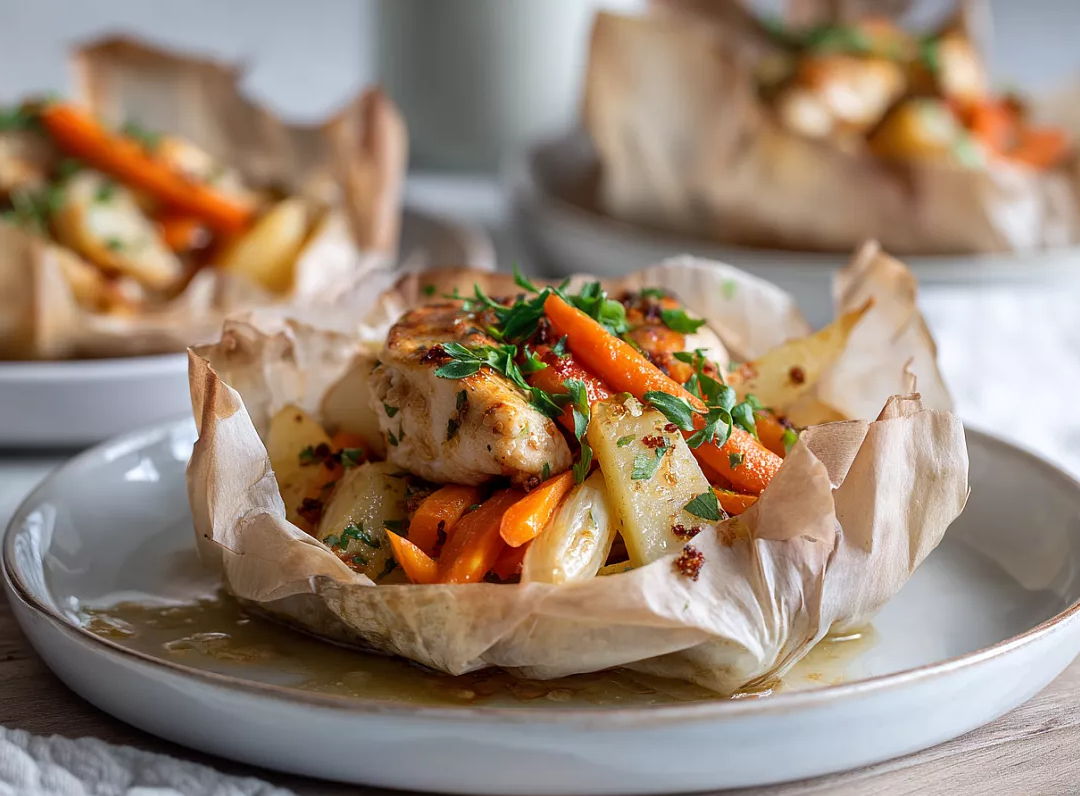
Not everyone has an oven, and even those who do sometimes want quick, hassle-free meals. The good news is that you can prepare delicious, healthy dishes without ever turning on an oven. No-oven cooking techniques are perfect for busy weekdays, small kitchens, or for beginners who want simple, fuss-free meals.
This guide will show you practical tips, cooking methods, and recipes to make satisfying meals entirely without an oven.
Why No-Oven Cooking Is Useful
Cooking without an oven has many advantages:
-
Saves time and energy
-
Ideal for small kitchens or students’ apartments
-
Perfect for quick meals or weeknight dinners
-
Reduces electricity usage
-
Keeps your kitchen cooler, especially in hot weather
No-oven cooking is versatile and can be just as tasty as oven-baked meals.
Essential No-Oven Cooking Methods
1. Stovetop Cooking
The most common alternative to oven cooking.
Examples:
-
Stir-fries
-
Curries and stews
-
Boiled pasta, rice, and grains
-
Pan-fried meat, fish, or tofu
Tips:
-
Use non-stick or heavy-bottomed pans to prevent sticking
-
Control heat to avoid burning
-
Cover pans to retain moisture
2. Pressure Cooking
Pressure cookers cook food quickly while keeping it tender and flavorful.
Perfect for:
-
Beans and lentils
-
Stews and soups
-
Rice and grains
-
Tough cuts of meat
Tips:
-
Always follow safety instructions
-
Adjust liquid amounts to prevent overcooking
-
Use natural release for more tender results
3. Slow Cooking (Stovetop or Crockpot)
Slow cooking allows flavors to develop over time.
Benefits:
-
Perfect for soups, stews, and chili
-
Tenderizes meat without an oven
-
Requires minimal attention
Tips:
-
Cook on low heat for several hours
-
Add delicate vegetables towards the end to prevent mushiness
-
Use lids to retain heat and moisture
4. Steaming
Steaming is a healthy, no-oven method that preserves nutrients.
Ideal for:
-
Vegetables and greens
-
Fish and seafood
-
Dumplings or rice cakes
Tips:
-
Use a steamer basket or metal colander over simmering water
-
Cover with a lid to trap steam
-
Don’t overcrowd the basket for even cooking
5. Microwaving
Microwaves are a convenient alternative for quick meals.
Good for:
-
Reheating leftovers
-
Steaming vegetables
-
Quick desserts like mug cakes
Tips:
-
Use microwave-safe containers
-
Cover food to prevent splatters
-
Stir or rotate for even cooking
6. No-Cook Recipes
Some meals don’t require cooking at all.
Examples:
-
Salads and wraps
-
Smoothies and smoothie bowls
-
Sandwiches and cold bowls
-
Overnight oats or chia puddings
Tips:
-
Focus on fresh, high-quality ingredients
-
Add flavor with herbs, dressings, or spices
-
Prepare ahead for busy mornings or lunches
No-Oven Meal Ideas
Breakfast
-
Overnight oats: Oats soaked in milk or yogurt with fruits and nuts
-
Smoothie bowls: Blend fruits, spinach, and a scoop of protein powder
-
Microwave omelets: Quick egg-based breakfast in a mug
Lunch
-
Vegetable stir-fry: Seasonal veggies with rice or noodles
-
Chickpea salad: Protein-rich and filling
-
Wraps or sandwiches: Use leftovers or fresh ingredients
Dinner
-
Stovetop pasta dishes: Pasta with tomato or creamy sauces
-
Pressure-cooked lentil stew: Flavorful and hearty
-
Pan-seared chicken or fish with veggies: Quick and nutritious
Snacks
-
No-bake energy bars: Oats, nuts, and honey
-
Microwave popcorn: Quick, low-cost snack
-
Fruit and yogurt parfaits: Healthy and satisfying
Tools for No-Oven Cooking
Even without an oven, some tools make cooking easier:
-
Non-stick or heavy-bottomed pans
-
Pressure cooker or stovetop slow cooker
-
Steamer basket
-
Microwave
-
Mixing bowls and chopping tools
Investing in these basic tools opens a wide range of cooking possibilities.
Common No-Oven Cooking Mistakes
-
Overcrowding pans or steamers, which leads to uneven cooking
-
Using excessive water in steaming or pressure cooking
-
Forgetting to stir or check on dishes
-
Not adjusting cooking times for different ingredient sizes
Being mindful of these common mistakes ensures better results.
Tips for Success
-
Plan meals around what’s available in your kitchen
-
Use fresh, flavorful ingredients for maximum taste
-
Experiment with herbs, spices, and sauces
-
Cook in batches and store leftovers for easy meals
No-oven cooking is all about simplicity, efficiency, and creativity.
Final Thoughts
Cooking without an oven doesn’t mean sacrificing flavor, nutrition, or variety. With simple stovetop techniques, pressure cooking, steaming, microwaving, and no-cook meals, you can enjoy delicious home-cooked dishes every day.
By mastering no-oven cooking methods, you’ll save time, energy, and money while creating meals that are satisfying and healthy for yourself or your family.