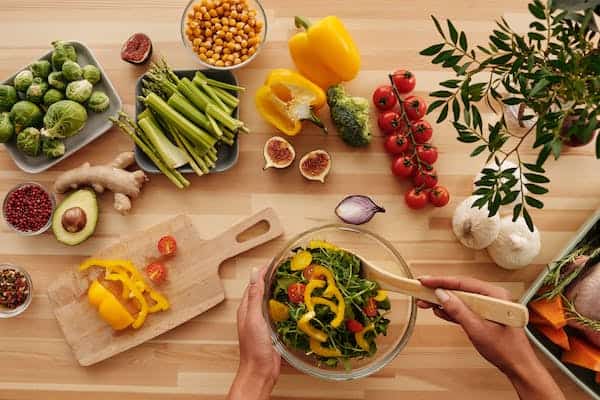
Every great meal starts with the right ingredients. Whether you’re a beginner cook or an experienced home chef, knowing how to select, store, and use ingredients properly can make a huge difference in flavor, nutrition, and overall cooking success.
From fresh produce to pantry staples, understanding ingredients is key to preparing tasty and healthy meals. This guide will help you master ingredients for cooking, avoid common mistakes, and make the most of what’s in your kitchen.
Why Ingredients Matter
High-quality ingredients form the foundation of good cooking.
-
Fresh, well-chosen ingredients enhance flavor
-
Proper storage preserves nutrition
-
Using the right ingredient substitutes can save money and reduce waste
-
Understanding ingredients improves confidence in the kitchen
Even simple meals taste better when ingredients are selected and prepared thoughtfully.
Pantry Staples Everyone Should Have
Stocking your pantry with versatile staples ensures you’re always ready to cook.
Essential Staples
-
Grains: Rice, pasta, oats, quinoa
-
Canned goods: Beans, tomatoes, tuna, coconut milk
-
Spices & Herbs: Salt, pepper, paprika, cumin, basil, oregano
-
Oils & Vinegars: Olive oil, vegetable oil, apple cider vinegar
-
Baking Essentials: Flour, sugar, baking powder, baking soda
-
Condiments: Soy sauce, mustard, ketchup, hot sauce
Tips
-
Choose items with long shelf life
-
Buy in bulk for frequently used staples
-
Rotate stock to prevent expired items
Fresh Ingredients
Fresh ingredients elevate the flavor and nutrition of any dish.
Fruits and Vegetables
-
Choose seasonal produce for the best taste and value
-
Inspect for freshness—avoid bruised or spoiled items
-
Wash thoroughly before use
Proteins
-
Meat and Poultry: Check for freshness and proper storage
-
Seafood: Buy from trusted sources, use quickly, and store cold
-
Eggs and Dairy: Store in the fridge and check expiration dates
Herbs
Fresh herbs add aroma and flavor.
-
Use parsley, cilantro, thyme, basil, or mint depending on the recipe
-
Store in water or wrapped in damp paper towels for longevity
Storing Ingredients Properly
Proper storage prevents waste and maintains flavor.
Pantry Storage
-
Keep dry goods in airtight containers
-
Store in a cool, dry place
-
Avoid direct sunlight
Refrigerator Storage
-
Separate fruits and vegetables as some emit ethylene gas
-
Keep raw meat at the bottom to prevent contamination
-
Store herbs and greens in sealed containers or wrapped in damp paper
Freezing Ingredients
-
Freeze leftover proteins, bread, and vegetables
-
Use freezer-safe containers or bags
-
Label with date to track freshness
Common Ingredient Mistakes
Many cooking problems stem from improper use of ingredients.
-
Using stale spices that have lost flavor
-
Overbuying fresh produce that spoils quickly
-
Incorrect portioning of pantry staples
-
Not understanding ingredient substitutes
Avoiding these mistakes saves money and improves results.
Ingredient Substitutions
Knowing how to substitute ingredients can save a recipe when you’re missing something.
Examples
-
Milk: Substitute with plant-based milk or water + butter
-
Butter: Use oil or applesauce in baking
-
Sugar: Replace with honey, maple syrup, or stevia
-
Flour: Use whole wheat, almond, or oat flour depending on recipe
Substitutions maintain flavor and texture while using what’s available.
Seasonal Ingredients
Cooking with seasonal ingredients is cost-effective and flavorful.
Benefits
-
Fresher and tastier produce
-
Lower cost compared to out-of-season items
-
Supports local farmers
Check local markets or grocery stores for seasonal fruits and vegetables to plan your meals.
Building an Ingredient-Friendly Kitchen
Tips for Beginners
-
Keep a small list of frequently used staples
-
Organize pantry and fridge for easy access
-
Plan meals around available ingredients
-
Experiment with herbs and spices to expand flavor
A well-stocked kitchen makes cooking less stressful and more enjoyable.
Final Thoughts
Ingredients are the heart of cooking. Selecting quality items, storing them properly, and knowing how to use them effectively can transform everyday meals into flavorful, nutritious experiences.
With a solid understanding of pantry staples, fresh produce, and proper storage techniques, anyone can cook confidently, reduce waste, and create delicious meals every day.