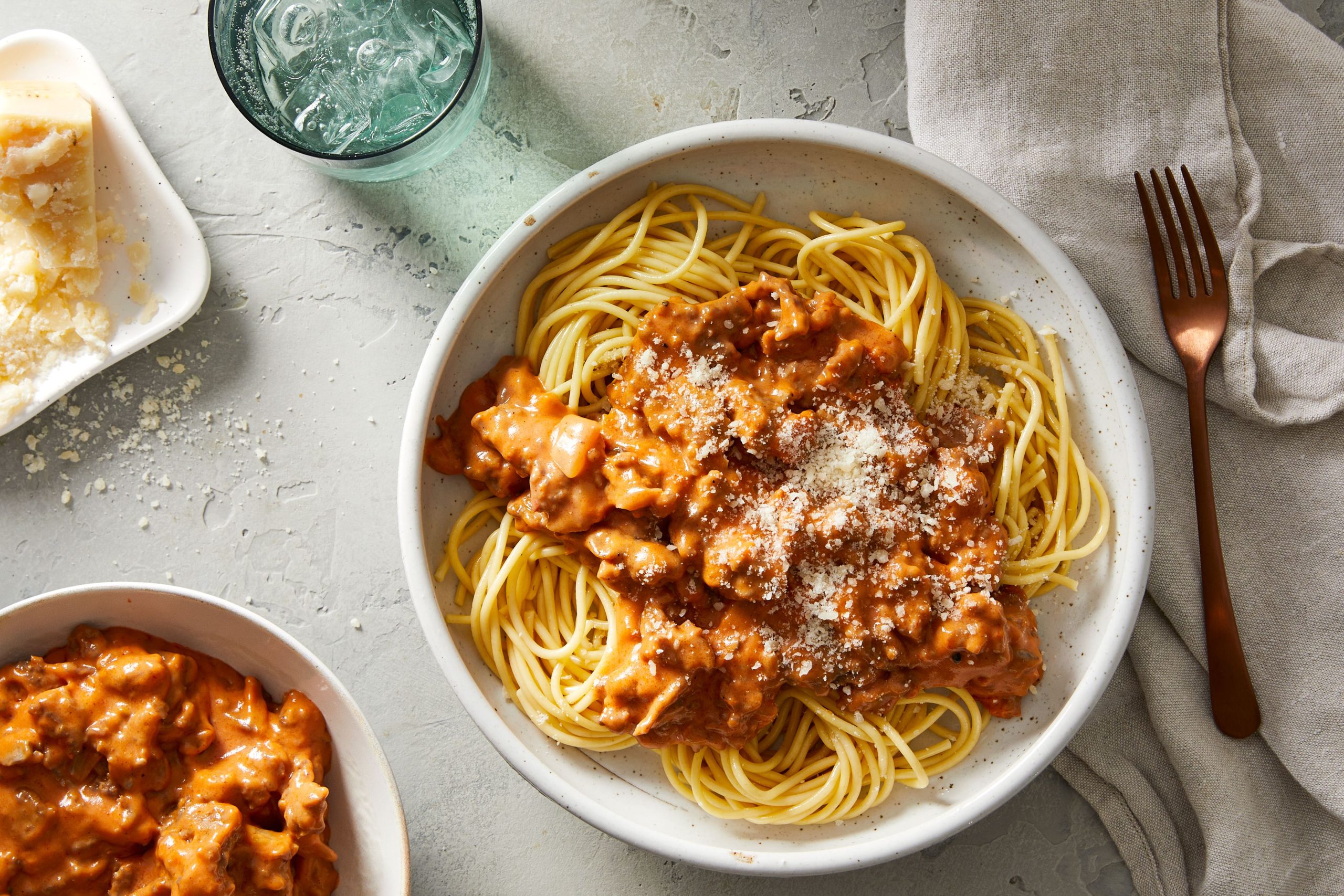
Eating well doesn’t have to cost a fortune. With a few smart strategies, you can create delicious, nutritious meals while staying on a budget. Many people think healthy eating is expensive, but by planning ahead, using simple ingredients, and cooking creatively, it’s entirely possible to enjoy satisfying meals without overspending.
This guide will show you practical tips, meal ideas, and step-by-step strategies to prepare budget meals that are filling, healthy, and family-friendly.
Why Budget Meals Matter
Smart budgeting in the kitchen helps you:
-
Save money without sacrificing nutrition
-
Reduce food waste
-
Encourage home-cooked meals instead of takeout
-
Learn cooking skills that last a lifetime
Eating on a budget doesn’t mean giving up flavor—it means planning and using resources wisely.
Planning Your Budget Meals
Meal planning is the foundation of saving money in the kitchen.
Step 1: Create a Weekly Menu
-
Decide on breakfast, lunch, and dinner for the week
-
Focus on recipes with overlapping ingredients
-
Include leftovers to reduce cooking time and waste
Step 2: Make a Smart Shopping List
-
List only what you need
-
Check pantry first to avoid duplicate purchases
-
Stick to the list to prevent impulse buys
Affordable Ingredients That Pack a Punch
Some ingredients are budget-friendly yet versatile and nutritious.
Staples to Keep on Hand
-
Rice, pasta, and oats
-
Beans and lentils
-
Frozen vegetables and fruits
-
Eggs and dairy (milk, yogurt, cheese)
-
Canned tomatoes, tuna, or beans
-
Seasonal produce
Tips for Cost-Effective Shopping
-
Buy in bulk when possible
-
Choose store brands
-
Look for discounts or promotions
-
Use frozen produce when fresh is expensive
Easy Budget Breakfast Ideas
Starting your day with a filling, affordable breakfast sets the tone.
1. Oatmeal Variations
-
Rolled oats with fruit, nuts, or a spoon of peanut butter
-
Can be sweetened naturally with honey or mashed banana
2. Egg-Based Breakfasts
-
Scrambled eggs with veggies
-
Omelets using leftover ingredients
3. DIY Smoothies
-
Use frozen fruit, milk or yogurt, and a bit of oats for thickness
Budget-Friendly Lunches
Lunch doesn’t have to be boring or expensive.
Affordable Options
-
Rice and Bean Bowls: Rice topped with beans, vegetables, and a simple sauce
-
Pasta Salad: Pasta, seasonal vegetables, and a light dressing
-
Wraps or Sandwiches: Use whole wheat bread, leftover protein, and veggies
Tips
-
Cook larger portions and use leftovers for multiple meals
-
Pack lunches at home to save on takeout
Cheap and Healthy Dinner Ideas
Dinner is often the biggest expense, but smart planning makes it affordable.
Easy Budget Dinners
-
Stir-Fried Vegetables and Rice – Use seasonal vegetables and soy sauce
-
Lentil Soup – Lentils are cheap, filling, and nutritious
-
Baked Chicken and Veggies – One-pan meals reduce cleanup
-
Vegetable Curry – Use canned tomatoes, spices, and seasonal vegetables
Tips for Savings
-
Cook in bulk and freeze portions for later
-
Use bones or vegetable scraps for homemade broth
-
Plan meals around protein sources that are cost-effective (beans, eggs, chicken thighs)
Snacks That Don’t Break the Bank
Affordable snacks can keep you full between meals.
-
Air-popped popcorn
-
Carrot or cucumber sticks with hummus
-
Yogurt with fruit
-
Homemade energy balls using oats and peanut butter
Reducing Food Waste
Wasting food is wasting money.
Practical Tips
-
Store leftovers properly in airtight containers
-
Use vegetable stems and peels in soups or stocks
-
Freeze portions that won’t be eaten immediately
-
Plan meals around what’s already in your fridge
Cooking Tools That Save Money
Some basic tools help you cook efficiently and reduce costs:
-
Non-stick skillet or frying pan
-
Saucepan for soups and sauces
-
Baking sheet for one-pan meals
-
Storage containers for leftovers
Investing in these items pays off by making home cooking easier and reducing waste.
Common Budget Meal Mistakes to Avoid
-
Buying convenience foods (pre-cut, pre-cooked)
-
Not planning meals, leading to takeout
-
Wasting leftovers or ingredients
-
Buying ingredients you won’t use
Avoiding these mistakes can stretch your food budget significantly.
Creating a Weekly Budget Meal Routine
Sample Routine
-
Sunday: Plan weekly meals and grocery list
-
Monday-Wednesday: Cook simple meals with staples
-
Thursday: Use leftovers creatively
-
Friday: Make bulk meals to freeze
-
Weekend: Try a slightly more elaborate meal using affordable ingredients
Consistency makes cooking on a budget easy and stress-free.
Final Thoughts
Eating well on a budget is possible with smart planning, affordable ingredients, and simple cooking strategies. Budget meals don’t mean sacrificing flavor or nutrition—they mean cooking efficiently and making the most of what you have.
By adopting these tips, you can enjoy healthy, filling meals every day while saving money, reducing waste, and building lifelong cooking skills.